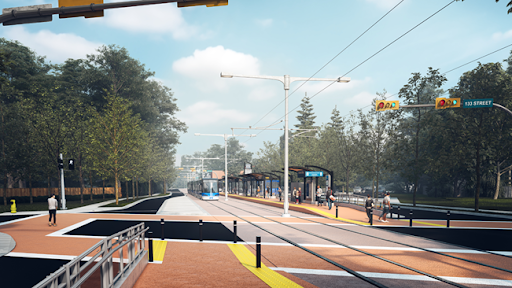
The Valley Line West LRT is a transformational public transit project. It will give Edmontonians an easy, efficient and reliable way to move. It is poised to spur housing, business and recreational development along the line.
The Valley Line West will help transform communities into more walkable, street-oriented places for people to live, work and play.
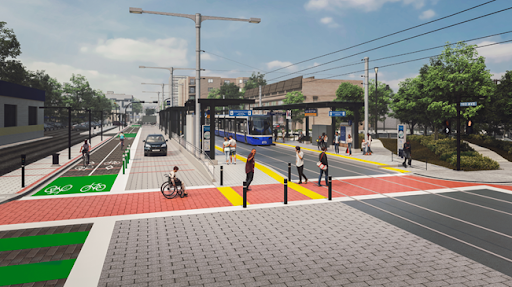
The Valley Line West will also change the shape of parts of the neighbourhoods it will serve—including major changes to some roads along the route.
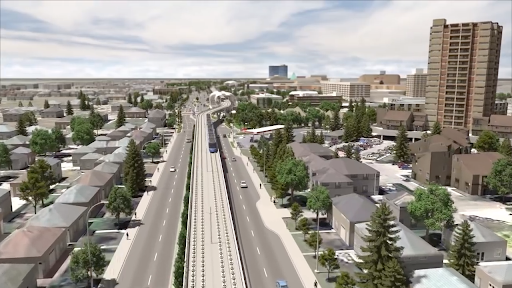
For instance, service roads along the route would become part of the main road, including service roads on 87 Avenue and 156 Street. In other locations, such as Stony Plain Road, the number of lanes would be reduced from four to two, with one lane in each direction.
In those cases, an automobile driver wouldn’t be able to safely back out of their driveway into traffic on a reconfigured street.
In the service of safety
To keep everyone safe, both during construction and during the operation of the line, the City needs to close some private and commercial accesses—otherwise known as driveways—because they will no longer provide safe access into the street.
“We know this is a major change for some property owners, which is why we don’t close driveways or accesses without good reason and careful consideration of our options,” said Brad Smid, City of Edmonton Valley Line Director.
“Our main priority is to ensure everyone using our streets is safe, which is why we’re taking this step.”
On Monday, August 17, City Council will be asked to approve two access closure bylaw reports for the Valley Line West project that will help ensure the future LRT can operate safely.
Working with owners
Access closures can be confusing, so, here’s a breakdown. Provincial legislation called the Highways Development and Protection Act provides the authority and process for access closures.
The City first identified potential properties for access closures during the preliminary design phase for the project in 2013.
Once these requirements were confirmed, the City reached out to affected owners to help them understand the need for these closures. In total, the City will need to close approximately 100 accesses for the project.
“Our priority is to keep owners informed while guiding them through the process,” said Smid. “We really try to approach these access closures on a case-by-case basis, and have a team that’s dedicated to working with property owners.”
What’s next
The closures wouldn’t physically happen immediately and the timeline isn’t confirmed. Right now, the Valley Line West project is in the procurement phase, which means the City is in the process of finding the contractor that will design, build and finance the LRT.
Procurement will be complete by the end of the year, with another five to six years to finish construction.
The City will work with affected property owners to understand impacts and compensation arrangements and to ensure they’re kept informed every step of the way.
The City is committed to keeping accesses open for as long as possible.
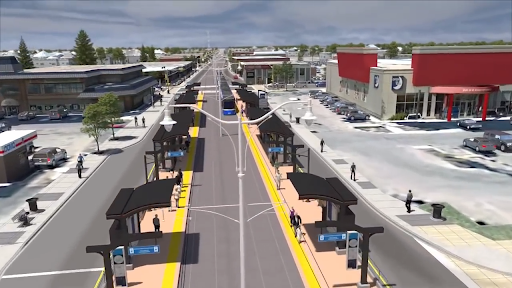
Take a look at how the Valley Line West, which will connect Downtown to Lewis Farms, will transform the shape of things:
Valley Line West animation video
“Our main priority is to ensure everyone using our streets is safe”
Want to read more?
These reports are two of several that will be presented to City Council over the coming months, and give the City the authority to close the identified accesses in the future.
There are several more access closure reports going to Council before the end of this year. The specific meeting dates have yet to be confirmed, but all will be livestreamed to the public. Visit edmonton.ca/meetings.
Learn more about the Valley Line West LRT project. You can also subscribe to our email list for the latest info.