

Renewable is a series about visionaries, creators, community leaders and above all else, Edmontonians, each with a unique vision of a sustainable future in the heart of Canada’s fossil fuel industry.
Back in 2018, right around the time we were wrapping up the first season of Renewable, the UN’s International Panel on Climate Change published a plainly titled but widely reported document called the Special Report on Global Warming of 1.5°C. Prepared by 91 authors from 40 countries and tallying up over 6,000 scientific references, the IPCC’s report spends most of its 616-page count communicating three big ideas:
1. At the current rate, we are heading towards a 3°C global temperature increase.
2. A 3°C temperature rise would do irreversible harm to life sustaining ecosystems.
3. How to limit warming to 1.5°C or less.
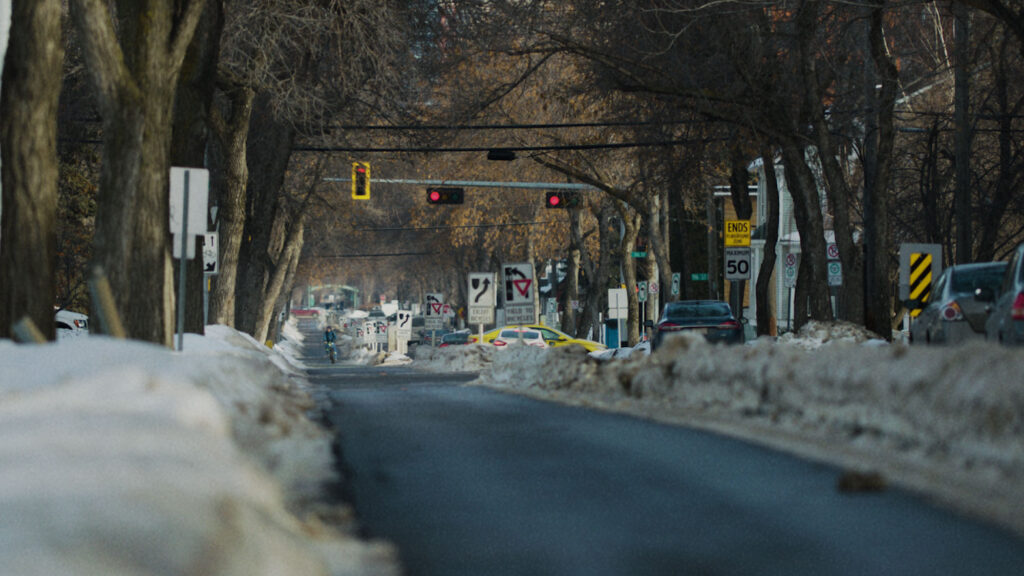
Buried in the 6,000-plus reference documents were a set of studies regarding—maybe surprisingly—bicycles. They come up in the context of that third category, the question of how we limit global temperature increase to 1.5°C.
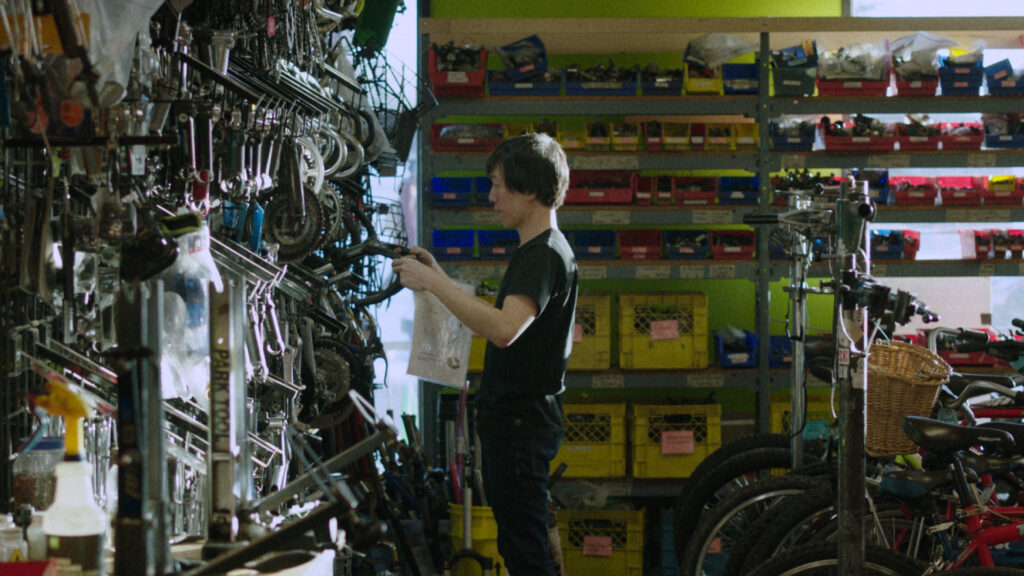
Which is where Chris Chan, and this episode of Renewable, comes in. Chris runs Bike Edmonton, a community organization that operates volunteer led bicycle repair shops around the city. As a community hub for cyclists, it also functions as something of an advocacy group for cyclists and pedestrians in town. In the episode, we discuss the pros and cons of investing in bike infrastructure, and what it means for quality of life in a city.
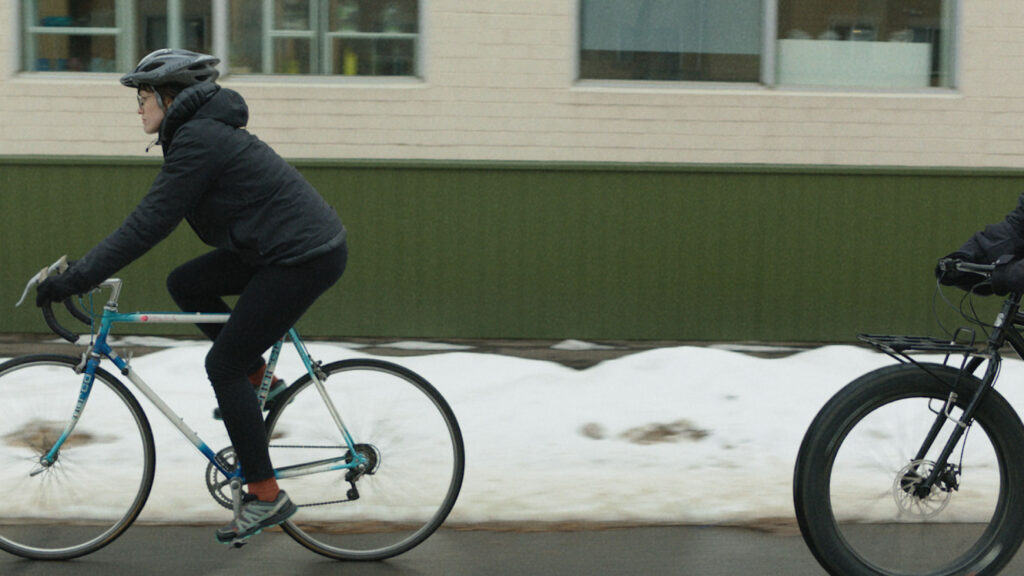
As Chris rightly pointed out: “It doesn’t matter whether or not you believe in climate change or care about the environment. When you choose to ride a bicycle, it will still be good for the environment.” Generally, for every kilometre you bike, you save 1/4 kg of carbon dioxide (CO2). So investing in bike infrastructure, which allows more people to bike safely across greater areas of the city, is an investment in carbon emission reduction.
This kind of infrastructure investment mirrors so much of what was outlined in the IPCC’s report, that it’s worth digging a bit deeper into the environmental implications of biking and how other cities approached encouraging ridership and lowering emissions.
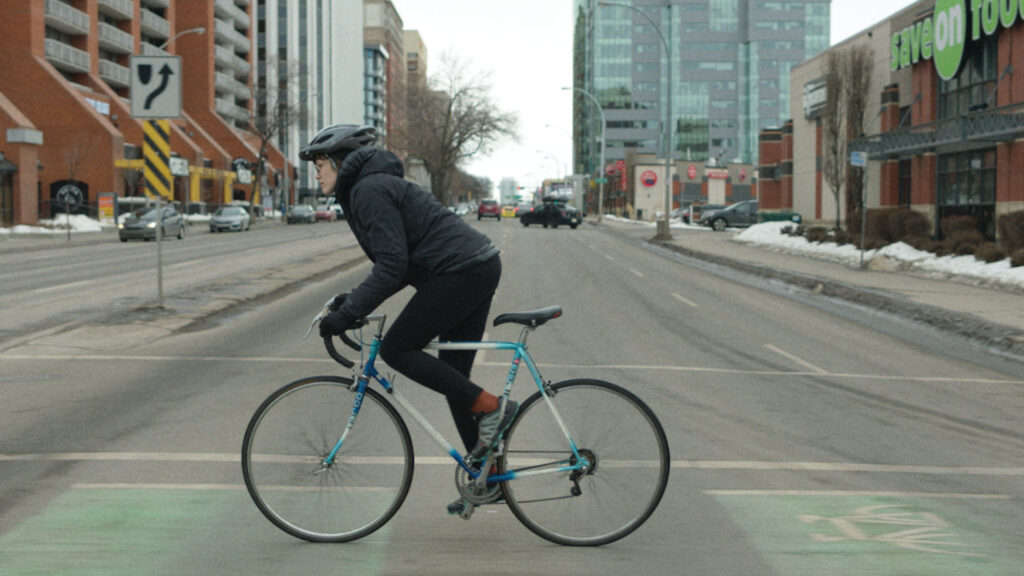
London for example, as outlined in a study cited in the report, was able to pay for and roll out protected cycleways using a “congestion charging scheme” that applied a small, simple fare for driving a standalone vehicle within the same high congestion areas during peak hours. The plan decreased kilometres driven in 2003 by 15 per cent, and 21 per centt he following year. Most importantly, within that zone where “cycle superhighways” were built and the charging scheme was implemented, CO2 emissions from road traffic dropped a full 20 per cent.
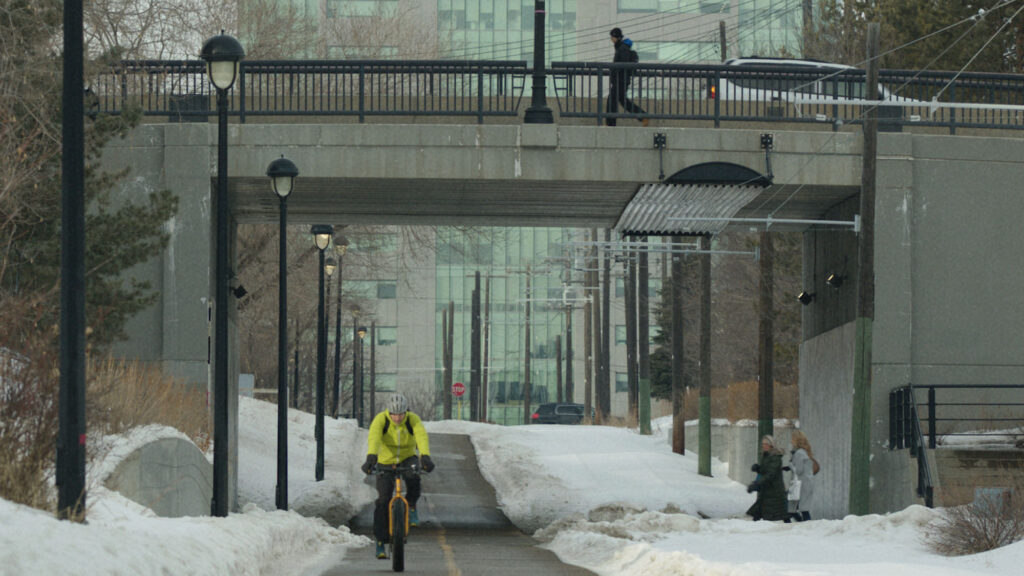
On top of that, at the time of publication, another 800 cities globally had some kind of operational bike-share scheme.
Additionally, the use of e-bikes is increasing for a number of reasons. They extend the speed and distance people can travel on a bike while reducing impact on knees and thighs. And they give you a little extra “oomph” on those tough parts of your ride.
Bikes and e-bikes made up roughly 6 per cent of miles traveled in world cities. If we can even double that number by 2050, there would be an 11 per cent reduction in carbon emissions.
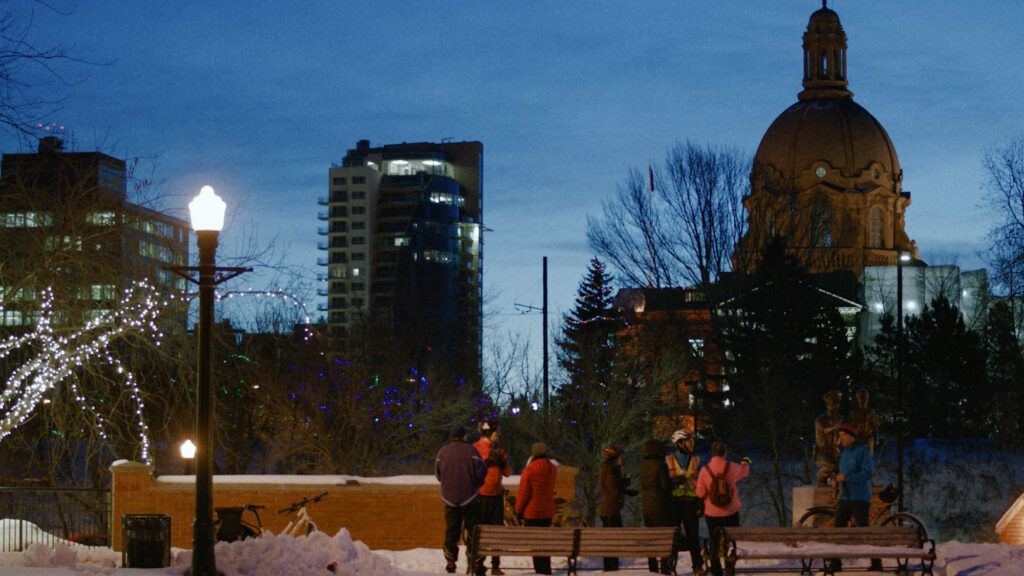
As is so often the case in discussing big ambitious emissions targets, cycling certainly isn’t a catch-all solution to global emissions. Truthfully, it’s a tiny drop in a vast and rapidly expanding bucket. But it’s interesting to think about Chris’s comment in the context of London.
Divorced entirely from the IPCC report and the question of emissions, London was able to lower both traffic and smog in the city core by disincentivizing driving and investing in alternatives, which included cycling. Both those things—less smog and less traffic—are beneficial whether or not you’re pursuing climate targets, and they only work when you invest in cycling and pedestrian infrastructure. You can’t get people out of cars if you don’t give them another way to get where they’re going.
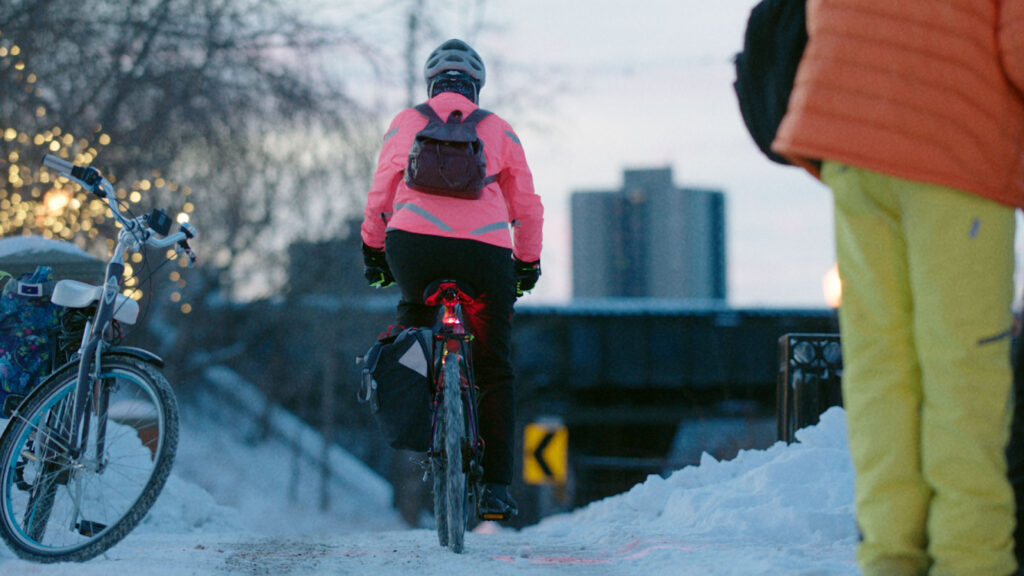
Chris told us that “when you have a city that’s built to support people who want to walk and bike…you get a much happier, healthier city for everyone,” and maybe the same can be said of the kinds of systemic changes outlined in the IPCC report that we’ll need to take if we want to cap our emissions at 1.5°C. It took work to get people out of their cars and onto bikes, but it made the city a better place to live. It’s going to take work to hit those targets, but the work could make things better in more ways than we realize.
To learn more about Chris and Bike Edmonton, check out this episode of Renewable.
Editor’s note: the pic at the top of the posts shows Chris Chan inside a Bike Edmonton repair shop.
The Renewable Series Team is composed of the City of Edmonton’s Energy Transition group and the creative minds at Sticks & Stones.
For more information, visit edmonton.ca/RenewableSeries.