

More than 2,300 Edmontonians were able to make their homes more energy efficient as part of the City’s Home Energy Retrofit Accelerator (HERA) rebate program from 2019 to 2023.
The program aimed to reduce Edmonton’s community greenhouse gas emissions by encouraging homeowners to complete energy-saving retrofitting projects through financial incentive.
The rebates were offered to help participating Edmonton homeowners increase their home’s comfort level, decrease their energy bills and provide a more in-depth understanding of their home’s energy use through a personalized EnerGuide home energy assessment.
“I sort of feel like everybody should get an energy audit. It should be a requirement for buying a house because it revealed some really useful information for us,” said Alexis, who used HERA to retrofit her home.
Prior to her energy upgrades to her 1957 bungalow, Alexis “had to have meetings in a sleeping bag. I had to have scarves on, I had mittens with the cut-out fingers—it was quite cold even with the heat on, just the way the [heat] distribution worked.”
Her energy audit revealed a number of issues, such as a high radon level in the basement and a back draft caused by their old furnace, that wouldn’t have been caught otherwise. Through the HERA program, Alexis’ renovations included window replacements, added insulation, a high efficiency furnace and an on-demand water heater. She also had a radon pump installed.
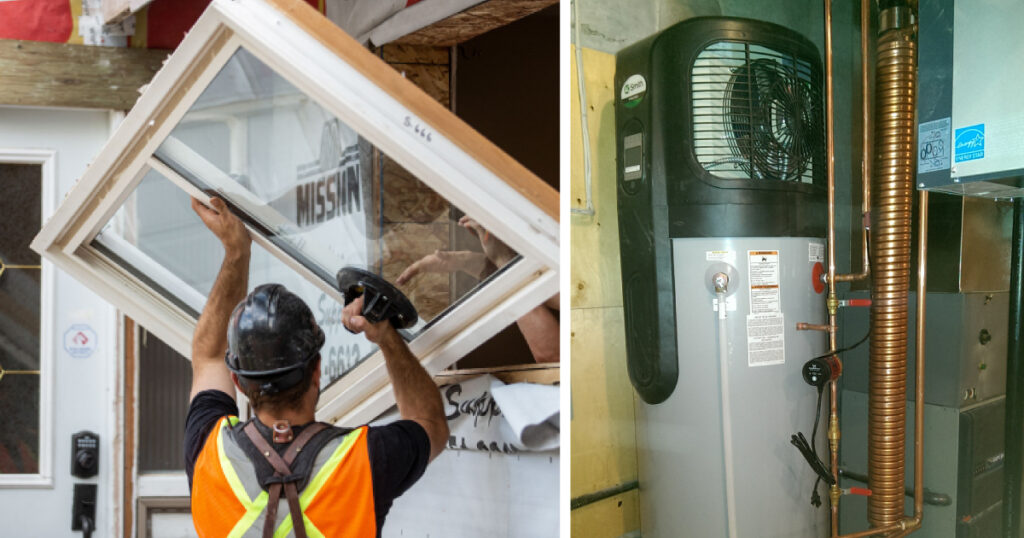
In the followup survey with HERA participants, the benefits of the home energy efficiency upgrades became clear. As one homeowner proudly stated while sharing their experience with the HERA program: “[My] utility bill is significantly cheaper, and [my] house feels much warmer in the winter”—a sentiment echoed by many of the program’s participants.
Many homeowners were not solely interested in the economic benefits but were also seeking to improve their quality of life and protect the environment. “Any time you can incentivise people to do things that help [the planet], it’s good,” says Alexis.
For Christina, to build an infill was out of reach financially for her family. They decided to make what they have more comfortable through increased air-tightness and added insulation to keep the whole home warm in winter and cool in summer. Making these changes meant they could “stay here longer and have some of the higher quality things that you would get in a newer house. A bonus was helping the environment, too.”
As part of the program, participants were asked to share their home energy ratings on Edmonton’s Home Energy Map, which shows the energy efficiency of thousands of homes across Edmonton. The map allows people to compare energy efficiency ratings and makes greenhouse gas emissions more visible for everyone.
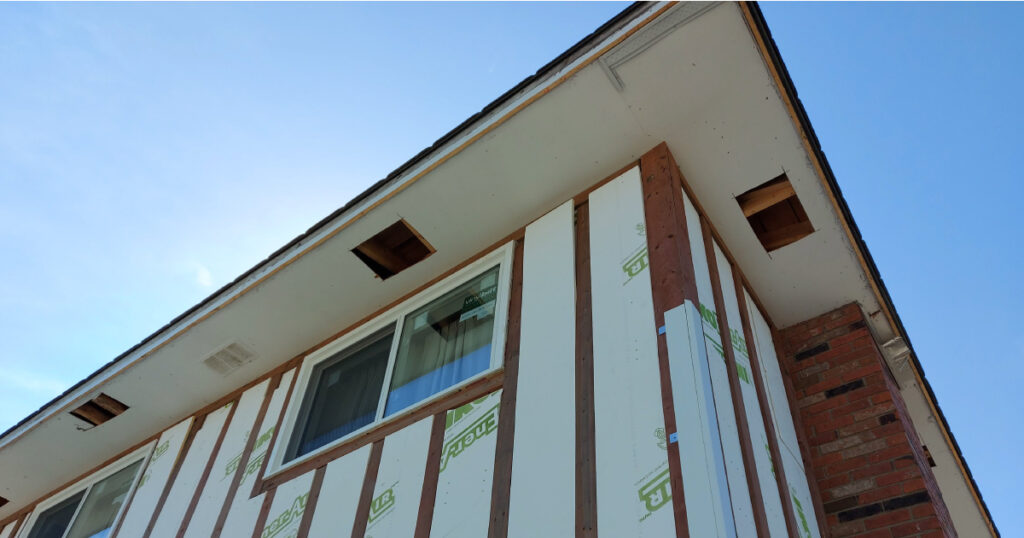
HERA achieved its intended goals of reducing greenhouse gas emissions by using a market transformation approach, which encourages people to change behaviours by removing barriers, in this case, financial barriers. Edmonton’s homeowners certainly appreciated the encouragement. “We appreciate the push to make our home greener,” one participant stated in their feedback.
By November 2022, the program became fully subscribed and is now winding down as already-enrolled participants are completing their renovation projects.
The success of HERA has laid a solid foundation for future programs aimed at creating a more sustainable and energy-efficient Edmonton. For example, the Clean Energy Improvement Program (CEIP) will be launching its permanent program later this year. This low-cost financing program strives to provide homeowners and organizations with opportunities to finance energy efficiency upgrades and add renewable energy installations to their properties. But for now, let’s celebrate the collective efforts of 2,382 homeowners who have made a tangible impact on reducing greenhouse gas emissions.
One participant’s heartfelt gratitude sums it up nicely: “Thank you for helping make renovations more affordable for Edmontonians.”
Editor’s note: the pic at the top of the post shows one of the homes that benefited from the HERA program.