

Edmonton is one of Canada’s fastest-growing cities. It’s not hard to see why.
It’s a great place to find work. Or start a business. It’s diverse and inclusive. We have excellent education and health care. And for prospective homeowners, Edmonton is also one of Canada’s most affordable cities.
Affordability is a big reason why Alberta saw record interprovincial migration over the past year, particularly from Ontario and British Columbia.

Affordability now and in the future
Affordability may be Edmonton’s calling card. But if we don’t grow sensibly, it could quickly become a history lesson.
That’s already the case for 1 in 8 Edmonton households—predominantly renters—who struggle to cover housing costs. A lack of investment in affordable housing in the 1990s and 2000s led to increases in housing need and homelessness. And while the City and its partners are working to create affordable and supportive housing now, it will take decades to catch up.
At a pivotal moment in Edmonton’s history, the City has a new opportunity to maintain its affordability while also targeting its affordable housing deficit. Thanks to the new Housing Accelerator Fund, the federal government is investing up to $175 million to create more housing.
Over and above current projections, this will add an additional 5,200 new units of housing over the next three years, including up to 1,900 units of affordable housing. With this investment, Edmonton can expect more than 35,000 homes to be built by 2026.
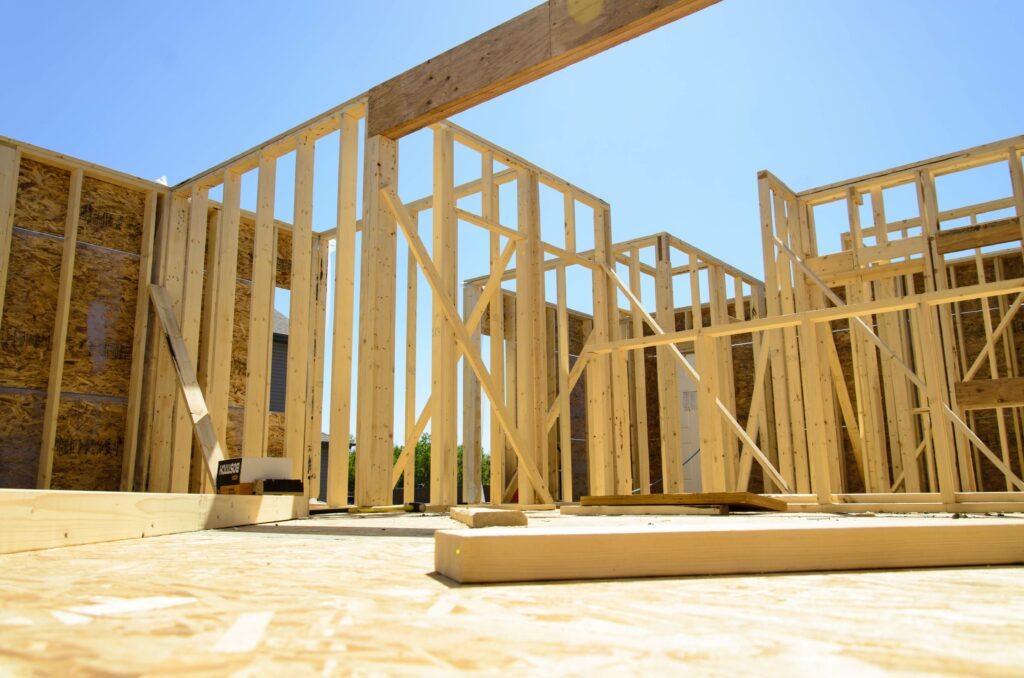
City building is a long game
Cities are complex. They work best when multiple factors work together: effective land use, strong transportation, and connections.
When growth is not strategic, it gets costly. If density is not a priority, everyday city services like garbage pickup and street sweeping become more costly to implement, while public transit and amenities become harder to access.
The federal Housing Accelerator Fund was announced in 2023 as a way of incentivizing more housing across Canada, while recognizing the complexity of cities and the need for smart growth. While up to $175 million has been approved for Edmonton, funding comes with strings attached: we need to exceed business as usual and prove it. It includes top-offs for the right kind of growth. The more Edmonton can spur dense, multi-family and affordable housing close to transit, the more funding we will receive.
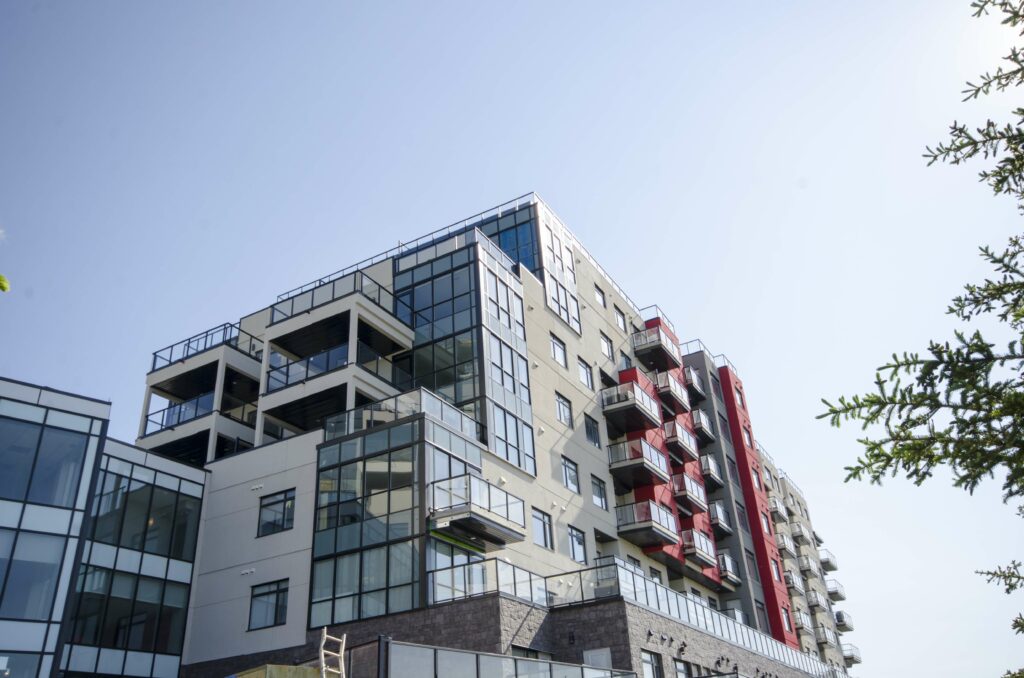
Planning for Growth
Edmonton has already been working on a plan for growth, and has already completed many of the measures envisioned by the federal program.
We’ve gotten rid of parking minimums that stifle dense growth near transit hubs. Our new zoning bylaw allows for more housing types across the city. Edmonton is already ranked #1 across major housing markets by the Canadian Home Builders Association for processes, approvals timelines, and charges and fees that contribute to housing affordability and alleviate supply issues.
The City’s work to incentivize affordable housing development led to more than 2,800 units of affordable housing in the past four years, more growth than the previous decade combined.
In the next few years, we will surpass 1.25 million residents. In the not-too-distant future, more than 2 million people will call Edmonton home. The Housing Accelerator Fund will take us even further toward implementing The City Plan in key areas, addressing acute housing needs today, and position Edmonton as one of the best places to build housing in the future.
Editor’s note: the pic at the top of the post shows (from left to right) Christel Kjenner, Director of Housing and Homelessness for the City of Edmonton; federal Minister of Employment, Workforce Development and Official Languages Randy Boissonnault, Mayor Amarjeet Sohi, Prime Minister Justin Trudeau, and David Mitton, President of Leston Holdings, at a housing development on Edgemont Boulevard on February 21, 2024.