

Angela Richards had reached the end of her rope.
She spent decades scraping by. As a single parent, eviction was a constant threat because she had to choose between paying for rent, food or power. Epilepsy and other medical challenges made it difficult to work.
More recently, with her kids safely out of the nest, she had moved into an apartment with an old friend. Then the pandemic hit. Her father died. The mental health services she relied on were suddenly inaccessible. Her roommate situation went sideways. Like many times before, Richards began thinking about ending her life.
That’s when she picked up the phone and called Civida, a provincially legislated housing provider that manages affordable housing in Edmonton. She had made similar calls many times before, with no success.
This time was different. Civida called back within five minutes. There was a townhouse in Londonderry, a small one-bedroom unit. Clean and renovated. It even had a small backyard where she could plant a garden. Rent would be calculated based on her income.
“It was like Christmas, to be honest, I was crying happy tears,” said Richards. “It kept coming, every time they said something, I was like, ‘Are you kidding right now? Are you serious? You mean I’m going to be able to afford to live?’”
How affordable housing got built
Like most Canadian cities, Edmonton has a long history of building affordable housing.
Between the 1960s and 1980s, all levels of government invested significantly in housing for populations most likely to struggle, including seniors, single mothers, refugees, and individuals living with disabilities or health problems.
As Richards’ story exemplifies, many factors can make housing a challenge. Governments accepted a shared responsibility to create housing options for those who needed it most, so high rises, apartments and townhomes were built throughout the city, the bulk of which tied rent to a fixed percentage of income. These buildings comprise roughly a third of the approximately 15,000 non-market affordable housing units in Edmonton, many of which are managed by Civida.
But in the 1990s, cash-strapped governments across Canada started to back out of social housing. The federal government downloaded responsibilities, provinces balked at the costs, municipalities waited for funding. Across the country, the pace of affordable housing development slowed to a crawl, and market forces failed to pick up the slack.
Edmonton was no exception. Between the 1990s and late 2010s, Edmonton’s total population grew by 50 per cent from a little over 600,000 to nearly a million. At the same time, non-market housing options stagnated or declined. Older units often deteriorated faster than new affordable housing were being built.
Mayor Amarjeet Sohi says that Edmonton’s non-market affordable housing situation demonstrates how crucial it is to make the right decisions.
“Housing is more than just numbers,” said Sohi. “We need to build the types of housing needed, which will help multiple generations of Edmontonians succeed and thrive in their communities.”

Homelessness has emerged as a significant problem throughout the country, popping up in communities and neighbourhoods. In Edmonton, 2,677 people were provisionally housed in September, according to Homeward Trust’s count.
Yet most of them aren’t in shelters or on the streets. Their experiences are similar to those Richards had through the years: couch-surfing, sleeping in cars, moving in and out of housing, from crisis to crisis.
Building affordable options
For the past five years, the City of Edmonton worked with other governments, non-profit organizations and other partners to reverse the trend.
The goal remains the same as decades ago: to help meet the needs of the most vulnerable, including low-income seniors, single mothers, refugees, and individuals living with disabilities or health problems.
It’s not something any single government can take on alone, particularly given how much things have changed. The City of Edmonton no longer builds or operates affordable housing, for one, but helps fledgling projects through the Affordable Housing Investment Program. By providing consistent funding, other governments can easily invest in successful projects. Non-profit organizations are eligible for grants to offset property taxes on affordable housing.
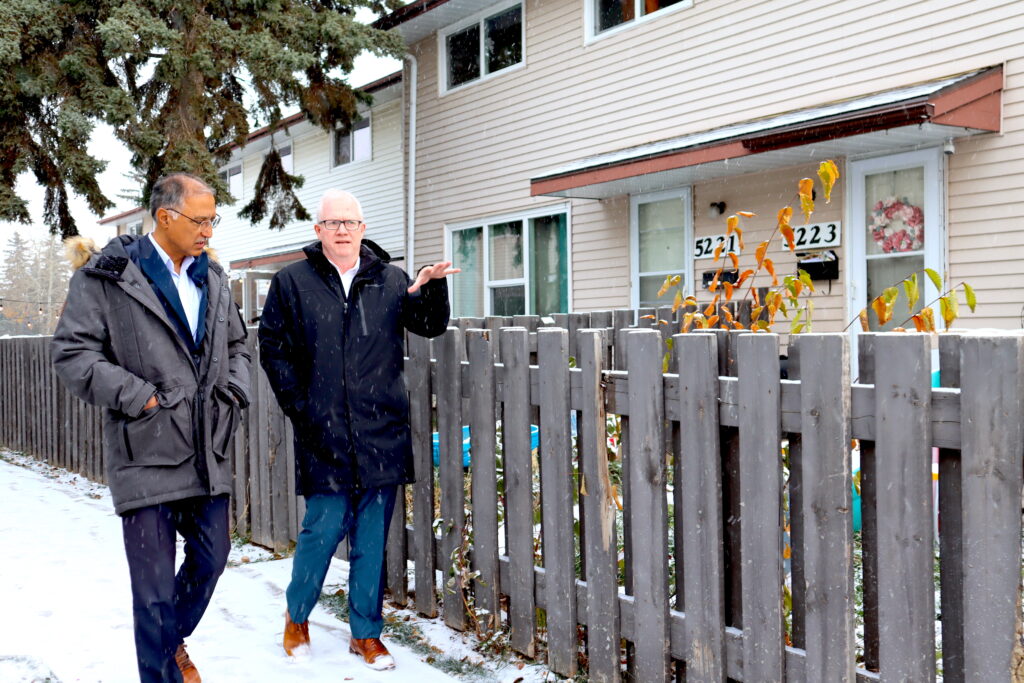
In recent years, the City has prioritized making surplus land available for new affordable housing developments. There are also tenancy classes–provided at public libraries–to help individuals know how to avoid eviction.
Sohi points to the results, noting that the City is already on track to “meet or exceed” an ambitious target set by Council for the 2023-26 budget to support the development of 2,700 new or renovated non-market affordable housing unit.
The City’s affordable housing dashboard provides a snapshot of new housing as it’s added. Since 2019, City investments have helped create 5,553 units of non-market affordable housing. That’s more than double the number created in the prior decade.
“This Council is making it easier to build the types of housing our city needs,” said Sohi. “One big part of that is making sure we remove barriers for affordable housing providers, helping them to attract additional investment. That way, we can do more to make a real difference in the lives of Edmontonians.”

Non-market affordable housing today also encompasses a wider spectrum of options. Many mixed income developments offer a portion of affordable housing, where a market discount of 20 per cent or more can be offered. For the people with highest needs and at greatest risk of homelessness, there are supportive housing developments with round-the-clock staffing.
The City is also doing what it can to maintain older housing built decades ago, now managed by Civida. Thanks to a matching agreement with the federal government—combined with annual provincial funding—the City is working with Civida to upgrade more than 800 units of social housing.

‘Never thought I’d be where I am’
Three years after she made the phone call to Civida, Angela Richards now has a different life, even if it still has its daily struggles.
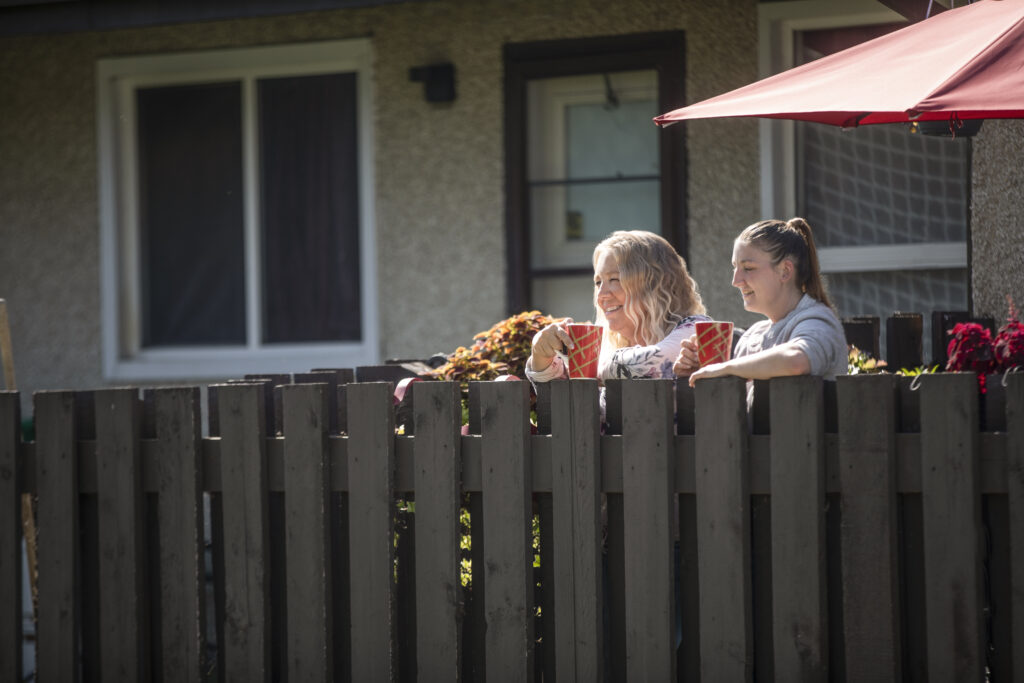
Health concerns make working a challenge, but she continues to work on her mental health. In her front yard, she planted a garden with geraniums and daffodils, earning a Front Yards in Bloom nomination, while laying sod in her backyard. Her neighbours were inspired to follow suit.
She volunteers with two advisory councils and takes grandkids to school. Her credit score has improved, she’s climbed out of debt, so now she can even afford a small treat when a grandchild comes over.
“I’ve struggled forever,” Richards said. “I would never have thought in a million years, I’d be where I am right now. And it’s because I’m in this housing.”
Editor’s note: the pic at the top of the post shows Angela Richards at her home in Londonderry.