

Renewable is a series about visionaries, creators, community leaders and above all else, Edmontonians, each with a unique vision of a sustainable future in the heart of Canada’s fossil fuel industry.
So what exactly is a green job?
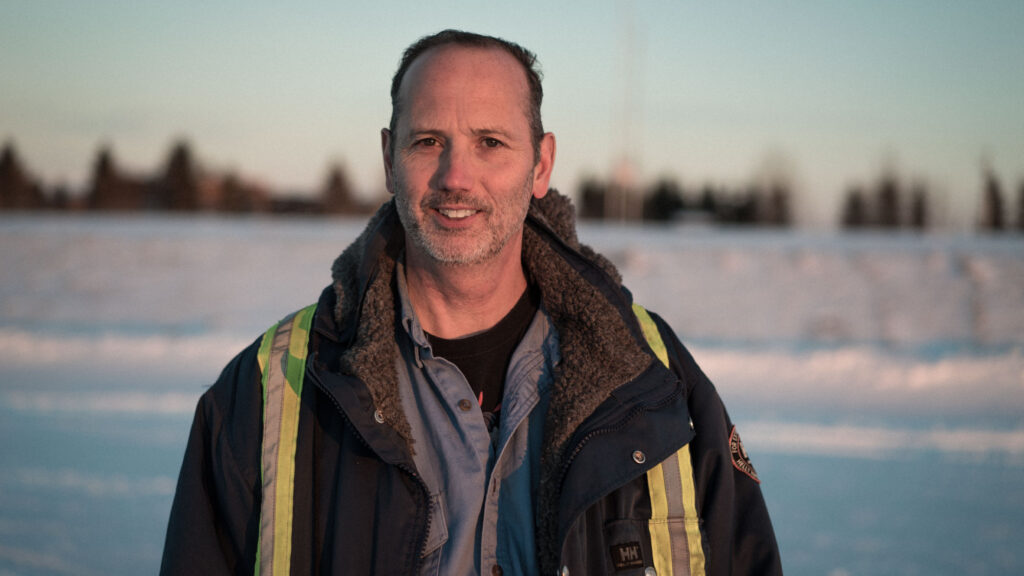
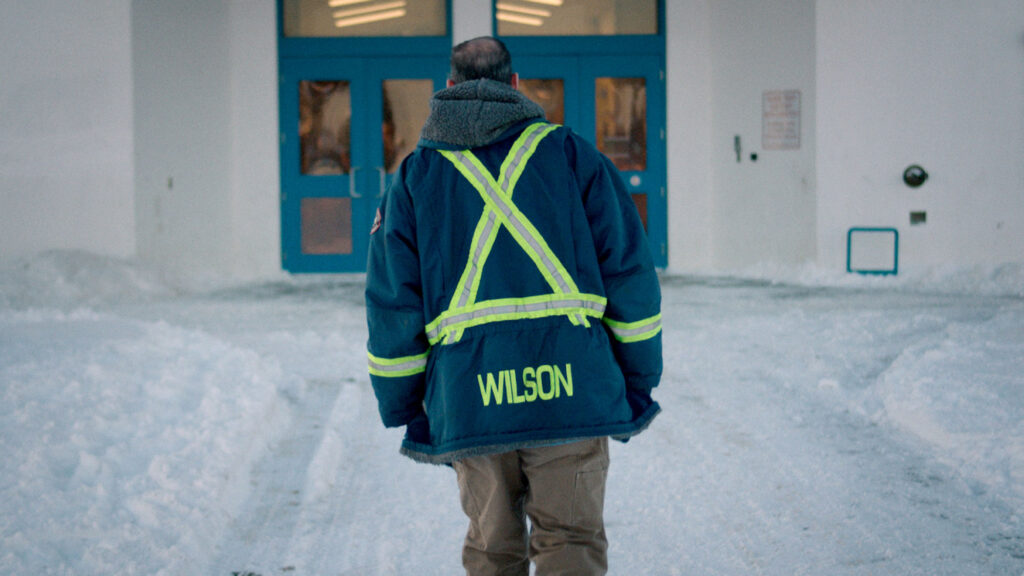
Let’s back up. In this episode of Renewable, we sat down with Ian Wilson of Iron & Earth, a retraining program for oil and gas workers looking to shift into one of the thousands of green jobs expected in Canada over the coming years. We also sat down with Desmond Bull, Councillor of the Louis Bull Tribe, one of the Four Nations of Maskwacis, a 7,000-acre community of 2,380 General Tribal members and the home of Iron & Earth’s latest project.
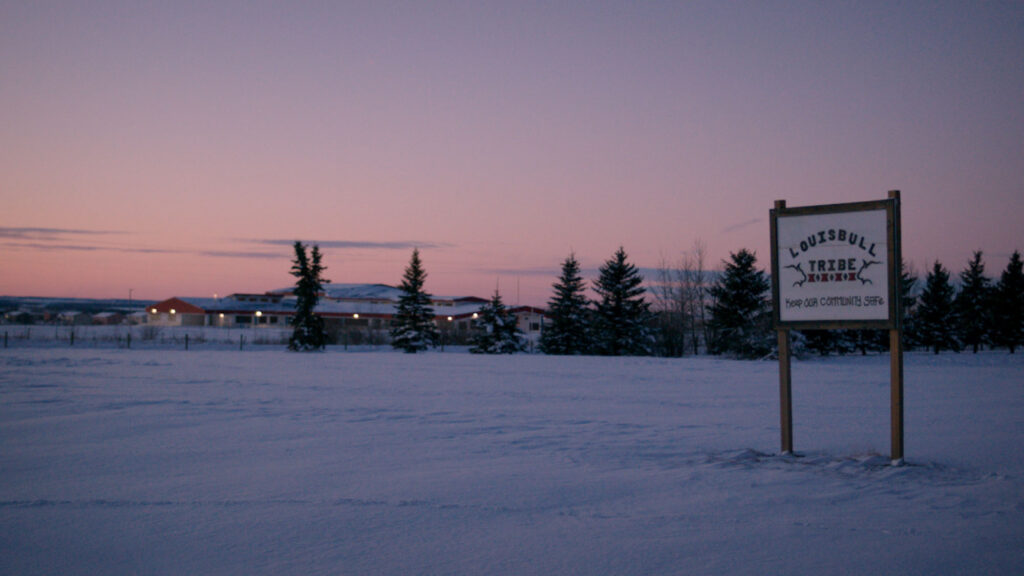
This project is a school soon to be outfitted with solar, geothermal and wind energy. Desmond and Ian hope that learning in a sustainably powered school will spark the curiosity of students to pursue the very green jobs that led to its creation—all while providing another case study for Iron & Earth that there are opportunities for oil and gas workers to be retrained in renewable energy, and that those jobs provide meaningful economic and environmental impact in communities across Canada.
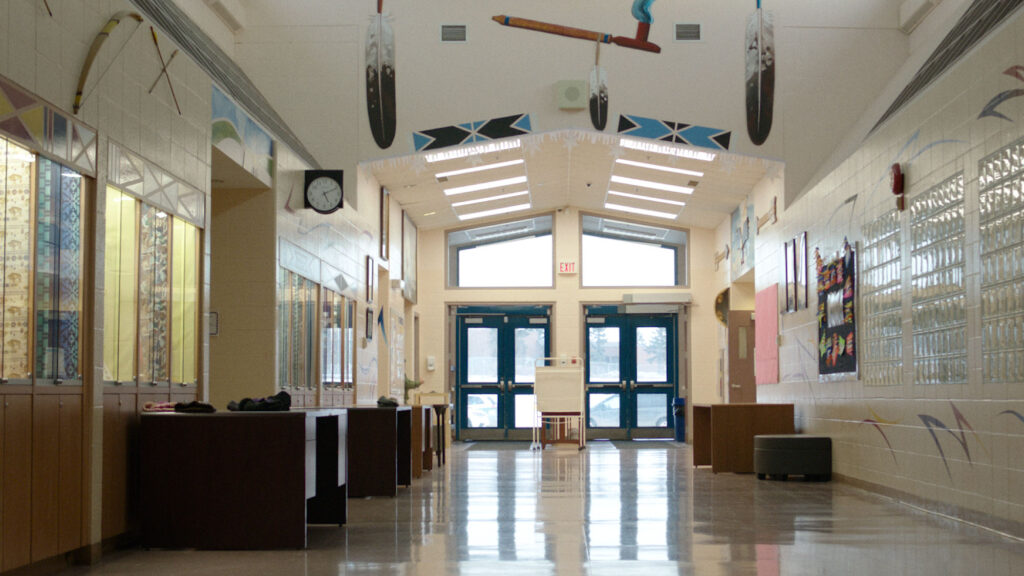
Which raises the question: What exactly is a green job and how many are out there?
A green job, according to the UN’s Environment Program, is a job that “contribute(s) substantially to preserving or restoring environmental quality. Specifically, but not exclusively, this includes jobs that help to protect ecosystems and biodiversity; reduce energy, materials and water consumption through high efficiency strategies; decarbonize the economy; and minimize or altogether avoid generation of all forms of waste and pollution.”
Which is all to say that a green job is a job that makes our environment more sustainable either by improving how we do things, or fixing up things we’ve done in the past. It’s a wide net that captures a rapidly growing cross section of our economy.
So how many green jobs are there? According to Statistics Canada, as of 2016 (the most recently available nationwide data) there were nearly 300,000 green jobs in Canada. For reference, that’s 3.1 per cent or $59.3 billion, of Canadian gross domestic product in that same year.
Those statistics, which are the result of a decade-long analysis, aren’t just useful for mapping the lay of the land today; they’re essential to measuring the impact of government investments in green jobs, which both federal and provincial governments have done since that report came out, to see how far a dollar invested in green jobs goes. Looking south of the border, the Bureau of Statistics and Labor estimates 47,500 new green jobs over the next seven years.
And buried inside those numbers we find a data point of interest to Ian, to Desmond, and really, all Albertans trying to map how our province plays into this new economic reality: 43 per cent of the clean technology GDP comes from cleanly produced electricity. And with an average green job salary of $92,000, compared with the “economy-wide average of $59,900,” it seems that playing that part can be quite lucrative as well.
For a province reconciling how we fit into the economy of tomorrow when our economy today is so driven by energy production, these numbers tell a story of the part we can play. These numbers paint a picture of our future. These numbers inspire hope.
To learn more about green jobs, green communities and a green future, check out this latest episode of Renewable.
Editor’s note: the pic at the top of the post shows Desmond Bull stands by a solar panel.
The Renewable Series Team is composed of the City of Edmonton’s Energy Transition group and the creative minds at Sticks & Stones.
For more information, visit edmonton.ca/RenewableSeries.