

You may be surprised by just how many species of wildlife call Edmonton home.
With vast parks, river valleys and green spaces, our city provides habitats for a variety of animals — from coyotes to the moose occasionally seen ambling through the suburbs to the beavers along the riverbanks. These animals, and their habitats, play a vital role in our well-being, including how we build climate resilience in our city. But with the city’s ongoing growth and urban development, the habitats of these animals are shrinking, and their patterns of movement are changing.
Keeping track of these changes is crucial to understanding how urban expansion impacts local wildlife. Enter WildEdmonton, a project between the City of Edmonton and the University of Alberta, designed to monitor Edmonton’s biodiversity, which is essential to maintain the health of our environment.
A treasure trove of insights
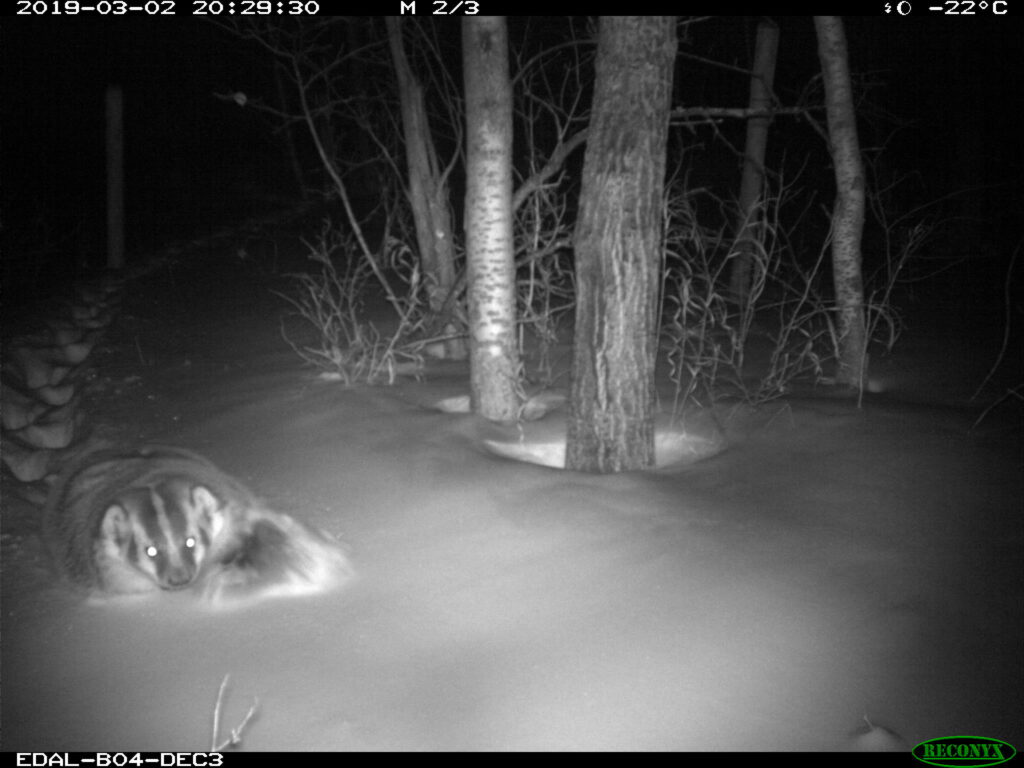
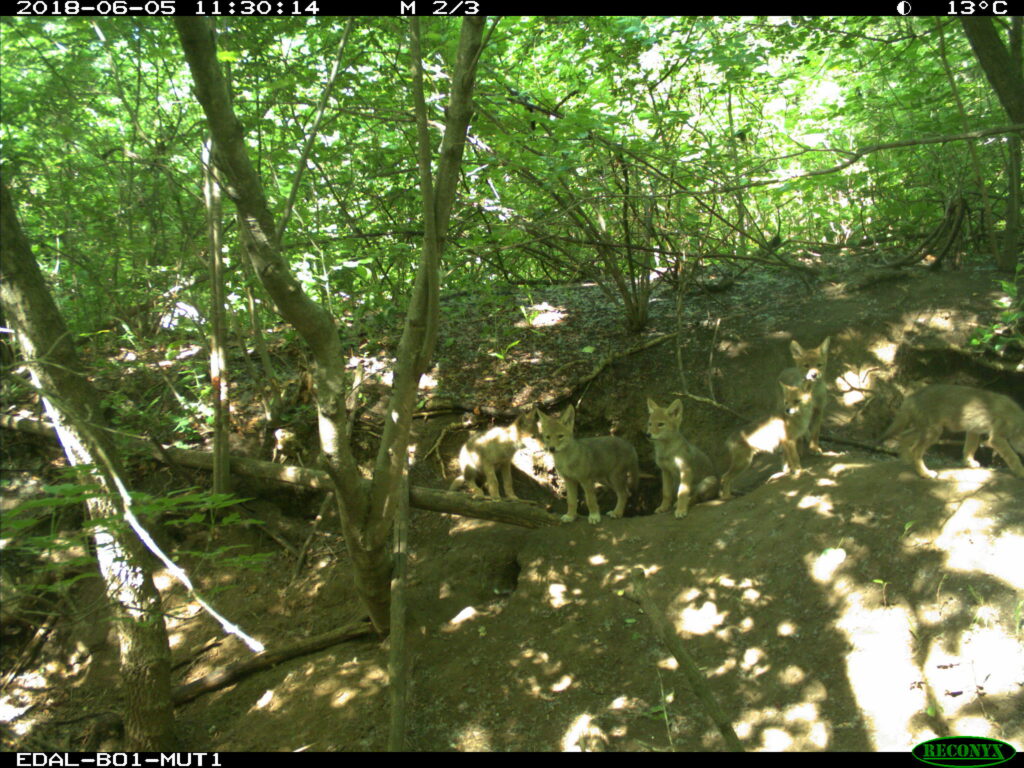
Since 2018, WildEdmonton has placed more than 109 imaging cameras throughout the city to document the presence and movements of local wildlife. The goal is not only to study the animals currently living here but to also monitor the arrival of new species, such as raccoons and potentially gray squirrels.
To date, the cameras have captured millions of images, offering researchers a treasure trove of insights about how wildlife interacts with urban spaces. These images help pinpoint where animals are thriving and where their habitats are becoming fragmented due to new developments.
However, as with many large-scale data collection projects, there is a significant challenge: many of the images include people, which raises privacy concerns.
This is where technology steps in.
Using artificial intelligence
The City of Edmonton’s Data Science and Research team, which is part of the Service Innovation and Performance branch, was tasked with finding a way to process millions of images while protecting privacy and maintaining efficiency. Sifting through such a large volume of photos by hand would take an enormous amount of time and resources. The solution lay in artificial intelligence (AI), specifically in a model capable of identifying and filtering out any images that contain humans.
“Sifting through millions of photos would be a grind for staff and a very costly endeavor,” says Clayton Clemens, a Senior Data Scientist with the Data Science and Research team. “By using AI, we were able to filter out all of the images with humans in them, making the process far more efficient and ensuring privacy concerns were addressed.”
The team selected Microsoft’s CameraTraps Megadetector model, which was trained to detect humans, animals and vehicles in photos. But the task wasn’t as simple as plugging in the model and letting it run. The team had to develop a full system to manage the vast number of images: tagging them, analyzing them and then exporting the results to a shared cloud drive where the University of Alberta’s volunteers could access them. This automated system allowed the project to run smoothly, without bogging down staff or researchers with the tedious task of manual sorting.

Valuable data
The results have been impressive. In addition to solving the privacy problem, the AI model has significantly sped up the process of analyzing the images, allowing researchers to focus on the valuable data about wildlife presence and movement patterns.
These insights are already being used to inform urban planning decisions in Edmonton. For instance, by identifying areas where wildlife habitats have become too narrow or fragmented, city planners can design “wildlife passages” — corridors that allow animals to move safely through the city, minimizing their interaction with roads and human activity.
The impact of this project goes beyond just urban planning and wildlife conservation. It’s also sparking community engagement. Edmontonians are able to contribute their own observations of local wildlife to help further the understanding of how these animals use urban spaces. In doing so, WildEdmonton is not only deepening the connection between Edmontonians and the natural world around them, but also encouraging people to become active stewards of the environment.
Leading the way
For the City of Edmonton’s Data Science and Research team, WildEdmonton represents a key opportunity to use data science in service of both the environment and the community.
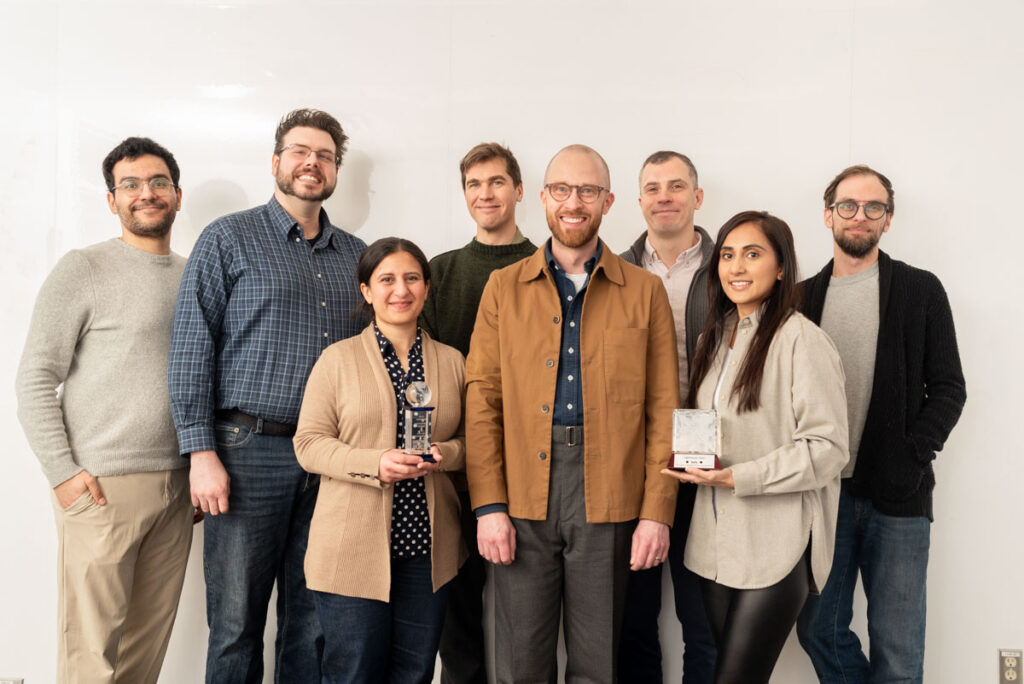
Though this is the first time the team has applied its expertise to a conservation project, this team of eight are no strangers to innovative problem-solving. Founded in 2021, the team has been recognized for its ability to apply AI to a wide range of municipal challenges, from improving public safety to optimizing city services. In 2023, the team was included in a national study led by McGill University, which found that Edmonton is leading the country in AI adoption within local governments.
“We’ve worked on a range of city-wide projects,” Clemens explains. “But assisting with wildlife conservation through WildEdmonton has been especially rewarding. It’s great to see how data can make a difference in protecting the natural world right here in our city.”
Collaboration and technology
Looking ahead, WildEdmonton is poised to provide even more valuable insights as the cameras continue to capture Edmonton’s evolving biodiversity. As more data is collected, researchers will be able to refine their understanding of how Edmonton’s wildlife adapts to urban environments, ensuring that the city grows in harmony with its natural inhabitants.
“Greener cites are better for both wildlife and people when it comes to climate change,” says Catherine Shier, Conservation Coordinator for the City of Edmonton.
“It is estimated that by 2050, two-thirds of the human global population is projected to live in urban areas. However, in Alberta, that number already exceeds 80 per cent. Therefore, many of the most personally impactful human-wildlife interactions will occur close to home if we design our cities right. This important work of the Data and Research team is helping to ensure that Edmonton’s urban biodiversity will continue to be healthy and provide all of us with the opportunity to enjoy and experience native biodiversity close to home for many years to come.”
In the end, WildEdmonton is more than just a scientific endeavour — it’s a testament to the power of collaboration and technology in solving complex, real-world problems. And for Edmontonians, it’s a reminder that we share this city not only with one another, but with the 340-plus species of animals that make Edmonton their home.
Editor’s note: the pic at the top of the page shows a moose photographed by one of WildEdmonton’s cameras on August 22, 2019.
WildEdmonton is an award-winning partnership, supported by the Grand Challenge, a collaboration between the City of Edmonton and University of Alberta. This program ensures City teams are connected to U of A’s leading research and talent.
Visit Why Edmonton for more about Edmonton’s fauna and flora.