

Indigenous culture is in the roots of our trees. It’s in the air that we breathe and the water we drink. Indigenous Peoples are the original people of this land.
First Nations, Inuit and Métis Peoples have been stewards of Turtle Island, the name for North America from Indigenous creation stories, living symbiotically with the environment, for time immemorial. Too often, however, their voices have been silenced.
But now, these vibrant cultures are reclaiming space with initiatives led by Indigenous communities. In 2024, members of the Edmonton Aboriginal Seniors Centre (EASC) partnered with the City of Edmonton to create an Indigenous art wrap for an Edmonton Transit Service (ETS) bus.
“We are here”
Through conversations, storytelling and lessons on cultural history, the elders guided the City’s Creative Services team to design a canvas that reflects First Nations, Métis and Inuit seniors in amiskwaciy-wâskahikan (pronounced uh-MISS-kwa-chee-WAS-kay-hi-gun) or ᐊᒥᐢᑿᒌᐚᐢᑲᐦᐃᑲᐣ—the Cree word for Edmonton. The word translates to Beaver Hills House.
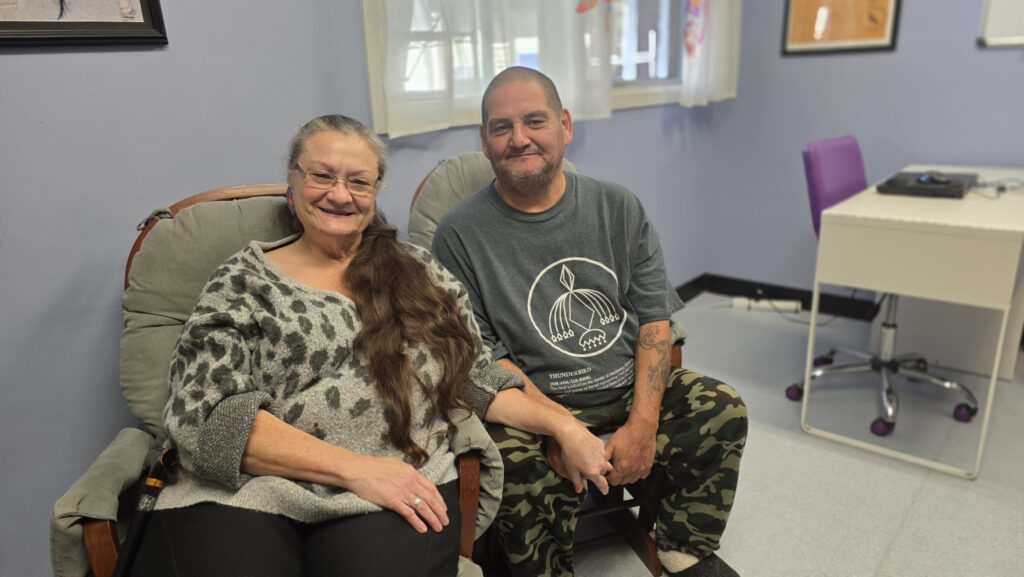
“With the City accepting our version of the bus, that means somebody is listening. Reconciliation is happening,” says Al Lafferty, a member of the EASC. “The City is telling our story, asking our opinions. This means a lot.
“The more I look at [the bus], the more it says: ‘We are here. And we’re not going away.”
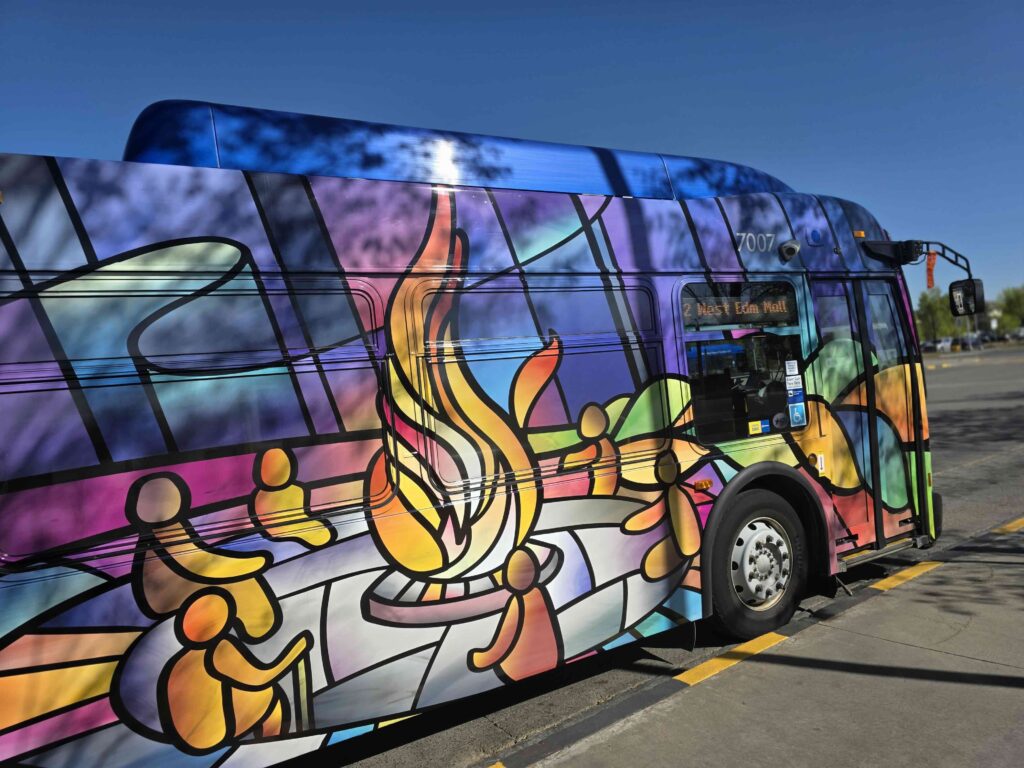
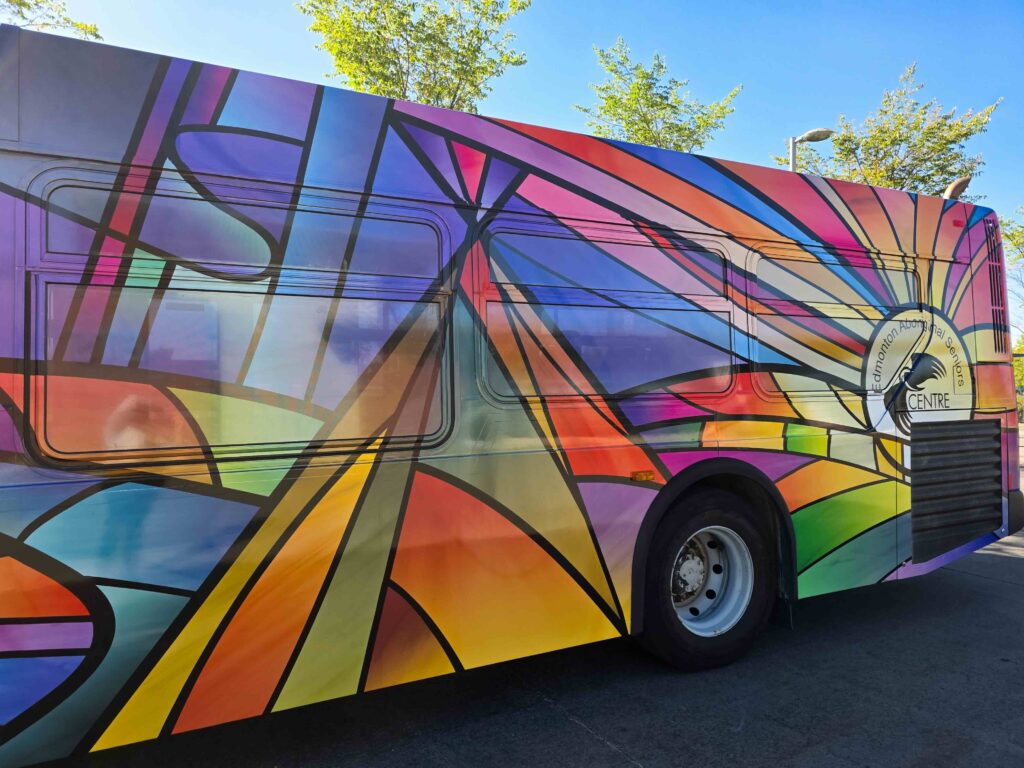
Unveiled in fall 2025, the Indigenous art wrap represents the cultures and stories of Indigenous Peoples moving forward. Some of the symbols on the bus include:
• Fire: symbolizes gathering and storytelling, connection and family.
• The northern lights: “When we were kids, we were taught that the northern lights are our ancestors dancing across the sky,” says Lafferty, a Northern Dene
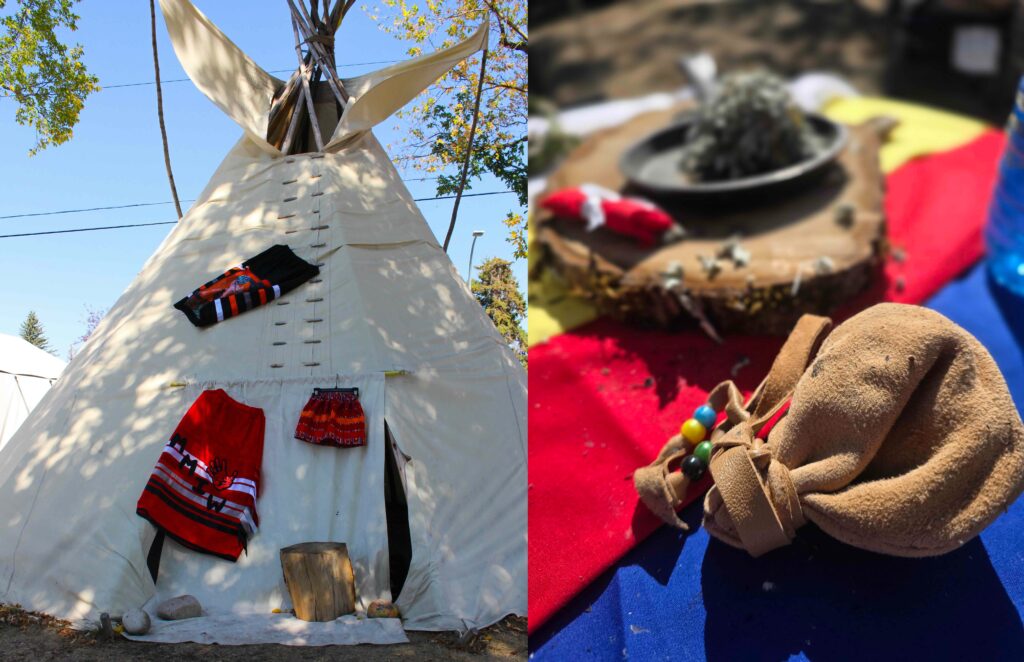
• Sweetgrass: A healing medicinal plant used in smudging, a ceremonial practice that involves burning sacred medicines and drawing or cupping the smoke over the eyes, ears, mouth, heart or body with prayer and intention. “Sweetgrass cleanses and brings positive thoughts,” says Rose Marie Sudholt, another EASC member.
• Métis sash: represents the interconnectedness and fluidity of Indigenous culture.
• Sun: an important symbol to Inuit, as their days of sunlight are long during the summer and nearly non-existent in the winter.
• A teepee: “It looks like a woman, an old grandmother,” says Lafferty. “She opens up during the day with her arms straight up and welcomes the world. At night, she pulls her cloth in and hugs the family.”
A meaningful collaborative relationship
The Indigenous bus wrap represents hours, weeks and months of listening, understanding, learning and co-creating between the EASC and City of Edmonton—all of which has contributed to a meaningful collaborative relationship. This bus has built trust, pride, honour and connection.
It began with a phone call. The City’s Indigenous Relations Office (IRO) reached out to the EASC in order to connect and give voice to Indigenous seniors—an underrepresented group.
The centre is a place for seniors to gather and heal collectively, to build vital connections with each other, and to reclaim knowledge through traditional arts and cultural crafting classes.
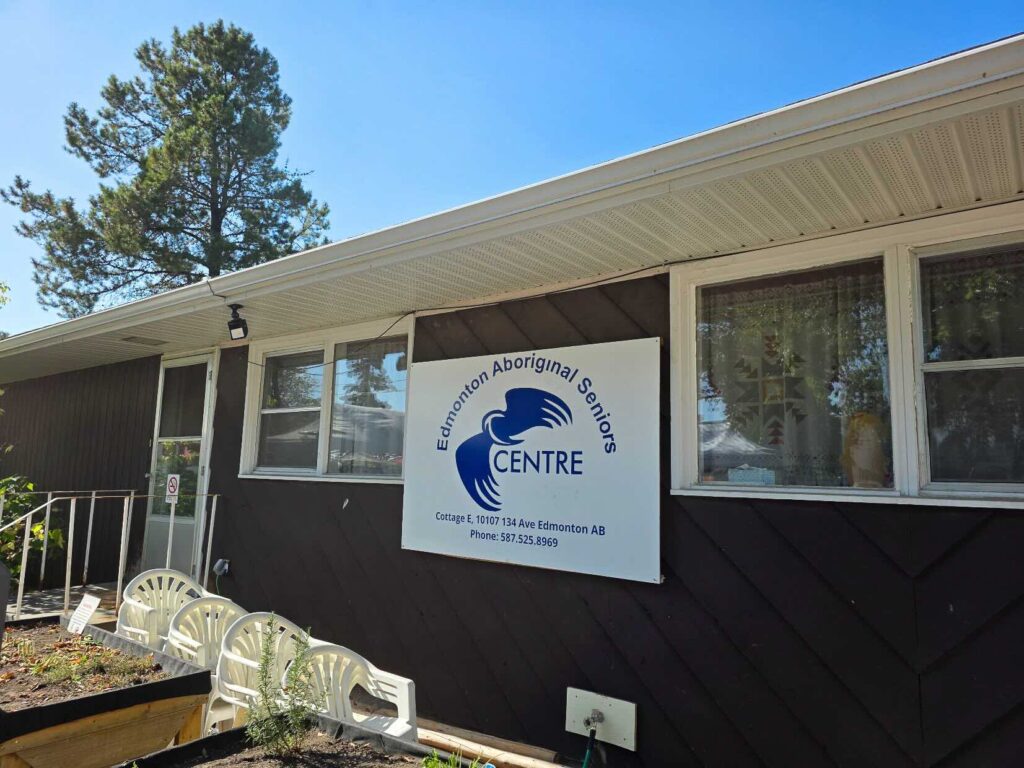
Some EASC members were part of the Sixties Scoop, during which Indigenous children were torn away from their families and placed in residential schools. Many of the centre’s seniors share trauma and pain, yet they possess an unyielding perseverance and resilient beauty that shines through.
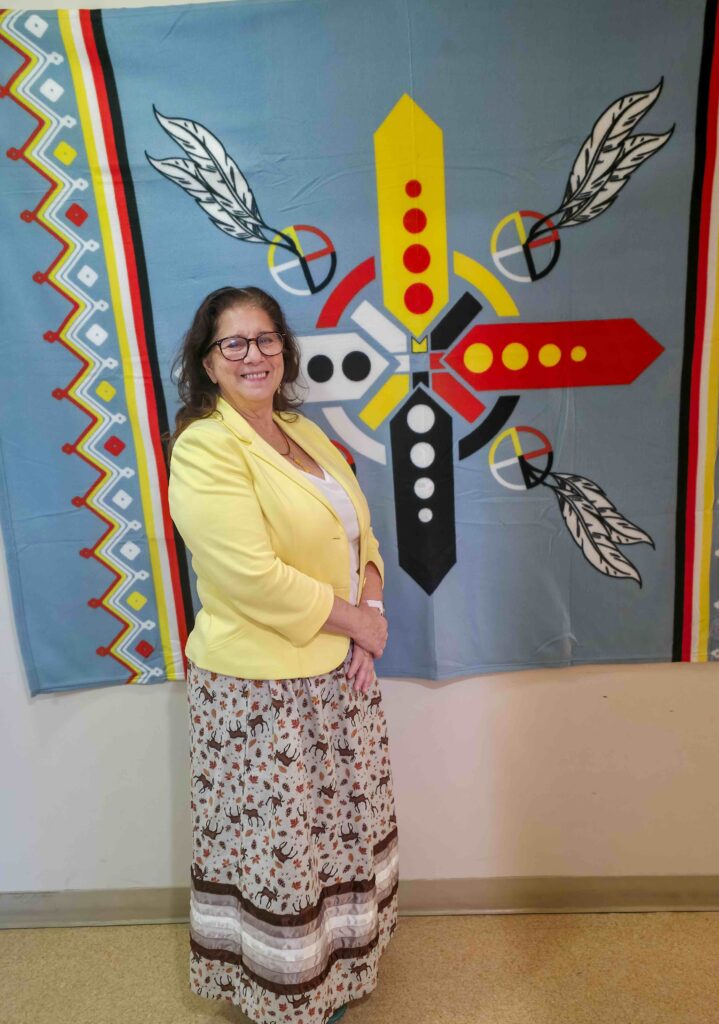
Deborah Rose, the Executive Director of the EASC, says the centre “supports spiritual wellness for elders and Indigenous seniors, but welcomes everyone to come learn.”
Keeping knowledge alive
The EASC was founded in 1986 in a basement by two Métis women who invited Indigenous folks to come knit over tea and bannock. This act of hospitality has grown to a membership of over 380 people today.
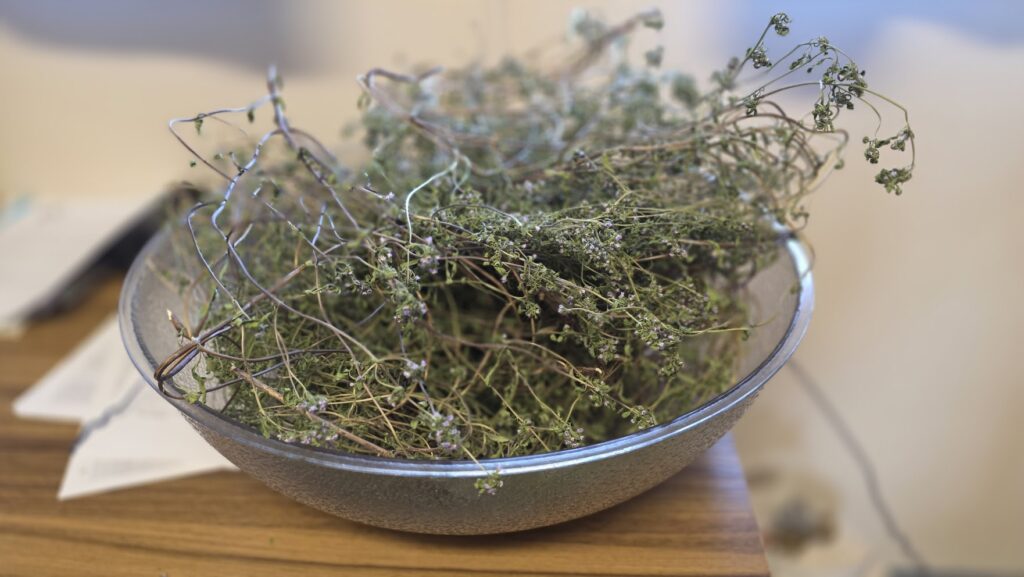
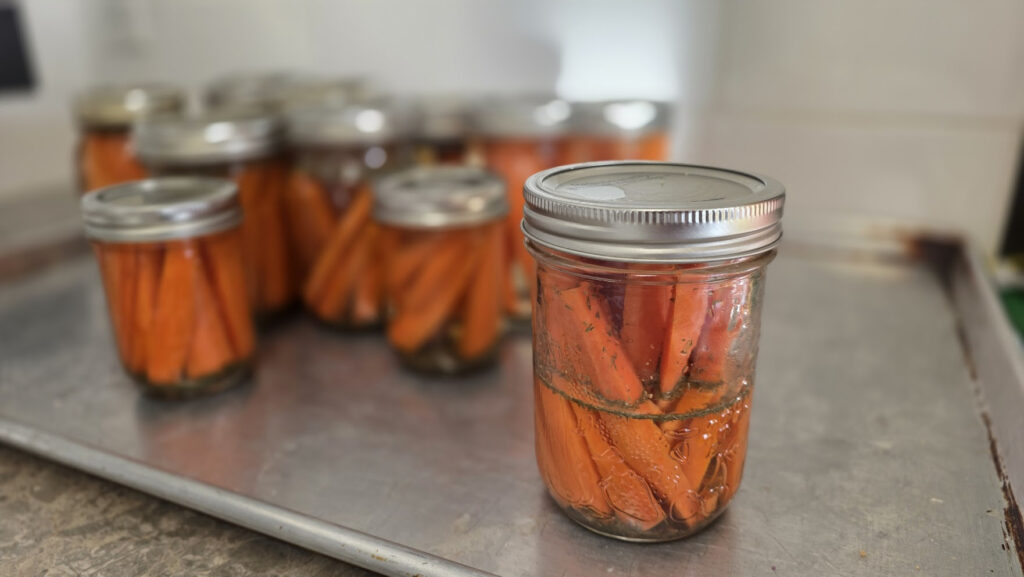
The centre offers daily smudging as well as opportunities to learn and practice beading, sewing, making moccasins and growing culturally significant foods, spices, teas and traditional medicines including cedar, elderberry, nettle, bear grease, rat root, chaga, mushrooms, sweet grass and white buffalo sage.
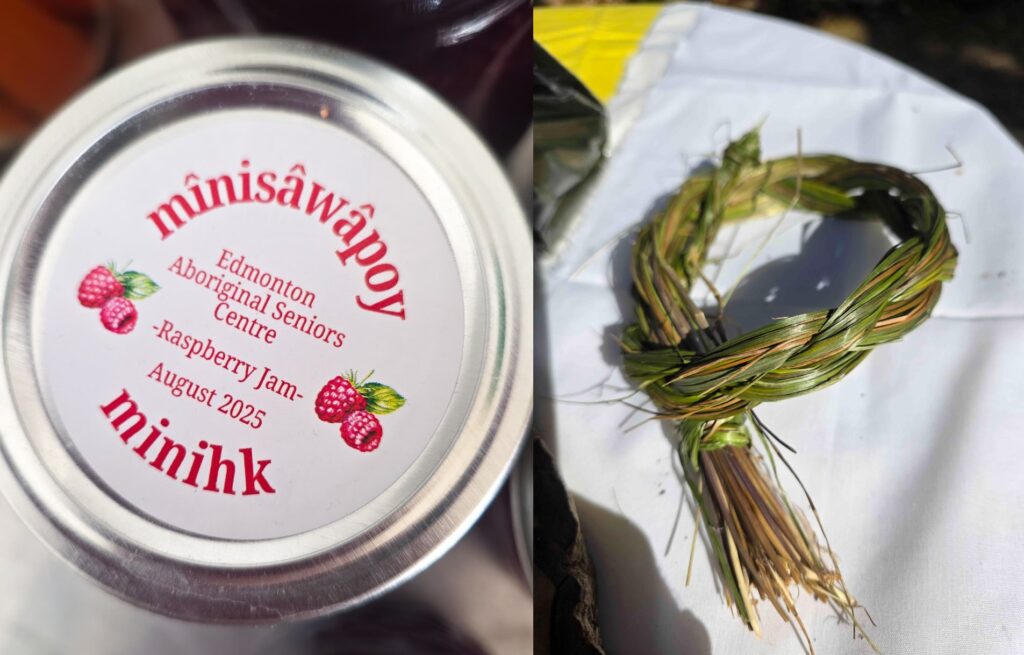
For 16 months, City of Edmonton employees were honoured guests in this community. Rose is incredibly proud of the collaboration between EASC’s members and the City.
“The [members] actually felt heard,” she says. “[The City] said what they were going to do, they did what they said they were going to do and wow, here it is.”
Judy Desjarlais (pronounced day-zhar-LAY) won’t forget the first time she saw the Indigenous bus wrap.
“When I saw that big, beautiful bus, I just stared at it,” she says. “It kind of grabbed your soul. Seeing the bus really made me see bringing people together, in conversation and as a whole.”
Desjarlais, a member of the EASC, is a knowledge keeper. Her mother was Saulteaux (pronounced SOH-toe, a French word for the Ojibwe (OH-jib-way) people which means, “people of the rapids”), and her dad was Plains Cree. Desjarlais grew up on a reserve in northern Saskatchewan with her adopted mom.
“When things are done for our old people, it really says a lot for the organization that’s helping us keep together, keeping our knowledge alive and keeping our spirit alive,” says Dejarlais. “We never should forget about our elders because we are knowledge keepers … we are like libraries. We carry a lot.”
Listening emphatically
Ray Au (pronounced awe), the City’s Manager of Creative Services, was the lead art director on the bus wrap project. It involved asking questions and listening empathetically, starting with symbolic word lists, discussing potential images and ensuring none of those chosen could be misinterpreted.
“It was an opportunity to learn, grow and explore ideas outside traditional graphic design, while telling the EASC seniors’ story through their ideas and imagery,” says Au. “I hope folks stop and have a look at the bus and make the next step in finding out more.”
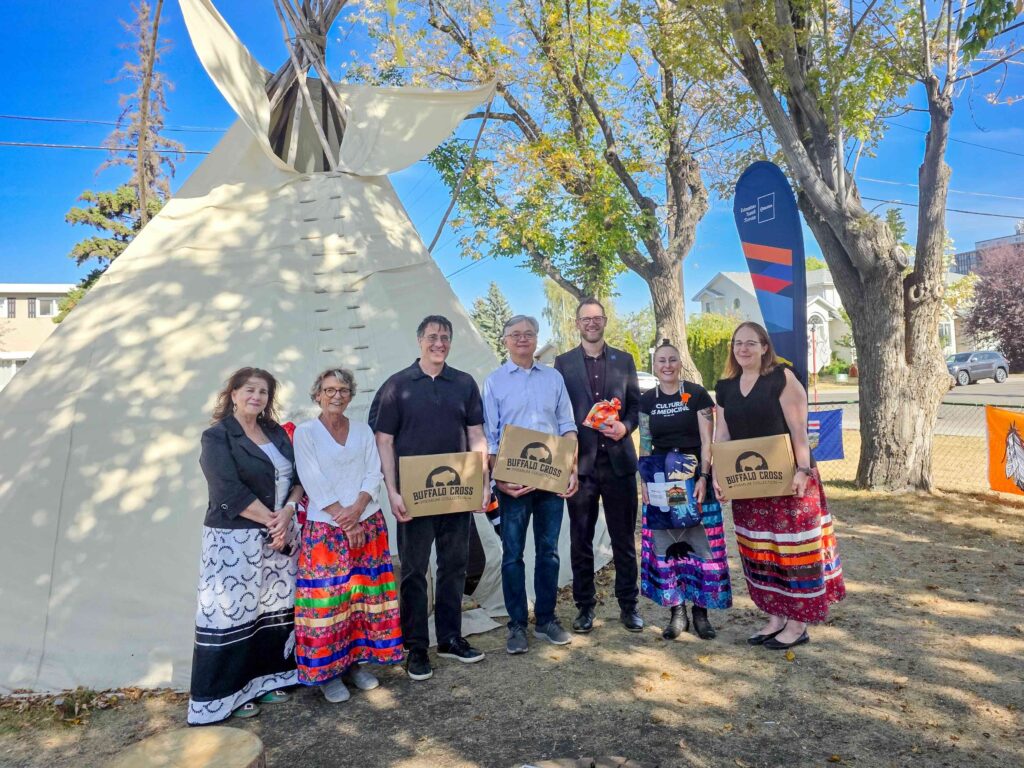
Au also worked on the first Indigenous bus wrap for ETS, a collaboration with artists from iHuman Youth Society in 2022.
Ongoing reconciliation
The City of Edmonton’s Indigenous Framework is helping to guide reconciliation by asking one simple question: How can our municipal government best support and build strong relationships with the Indigenous Peoples in amiskwaciy-wâskahikan.
The Indigenous bus wrap—and the many conversations that contributed to it—is one way the City is putting into action the Framework’s commitment to build stronger relationships with Indigenous Peoples in Edmonton.
Through this project, the City actioned Commitments 3 and 4 from the Indigenous Framework, ensuring Indigenous Peoples can see themselves reflected in City spaces and places, while also ensuring City employees build relationships and increase their knowledge of Indigenous cultures, traditions and views through education and learning opportunities.
Reconciliation is an ongoing process of continual relationship building, listening, learning and growth and it requires every one of us to participate.
It is up to the residents of amiskwaciy-wâskahikan/Edmonton and all of Canada to all continue this valuable work. This bus invites us all to seek greater understanding through cultivating our curiosity and building lasting connections and friendships with our Indigenous and non-Indigenous neighbours.
Visit the EASC monthly calendar section for upcoming events. Also, check out edmonton.ca/IRO to learn about the City’s Indigenous Relations and subscribe to the Community Bulletin for weekly email listings of local Indigenous events and information.
Editor’s note: the pic at the top of the post shows the Edmonton Aboriginal Seniors Centre bus parked outside of the Legislature Grounds in Edmonton.