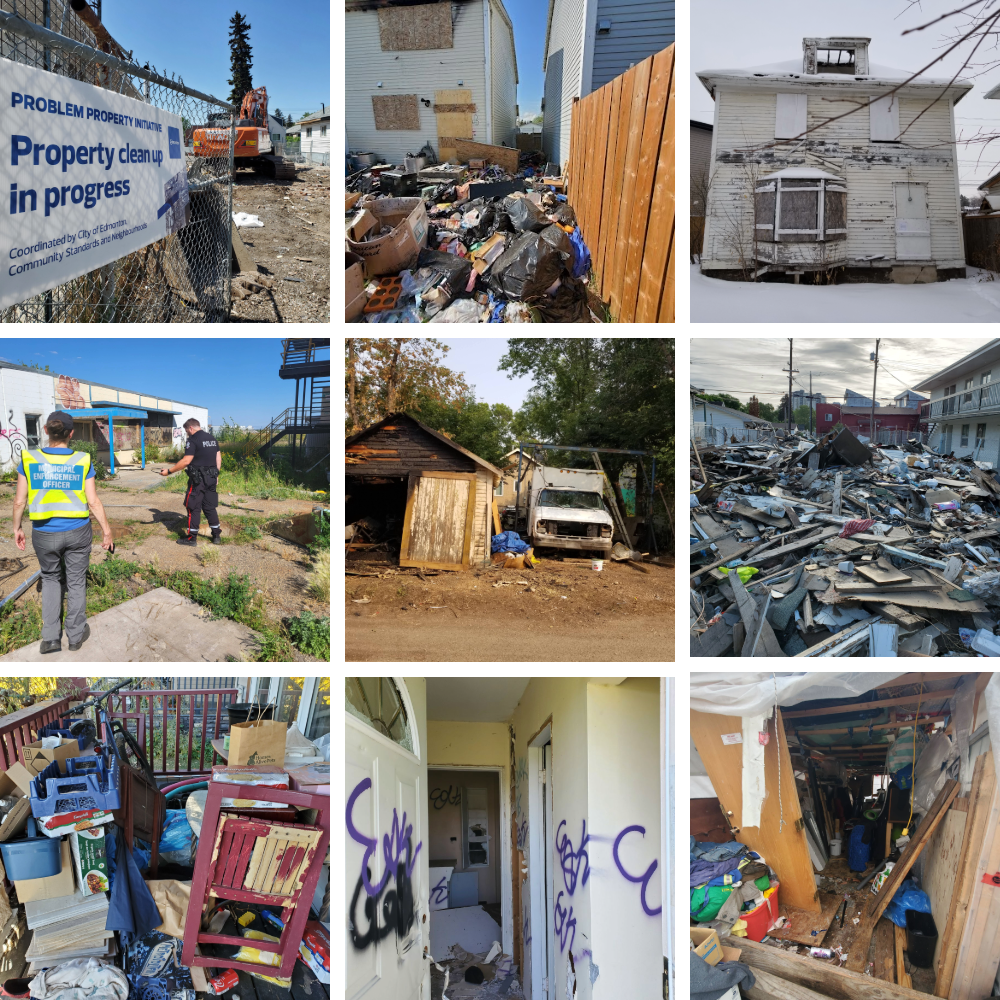
The impact of unsafe or abandoned properties in our communities is more than aesthetic. Residents across the city have long dealt with the ripple effects of neglected or abandoned homes: drug activity, fires, unsafe buildings and the constant uncertainty of what might happen next door.
To address these concerns, the City’s Problem Property Initiative (PPI) is taking aim and helping to spur the redevelopment of many of these sites to improve the overall safety and quality of life for residents.
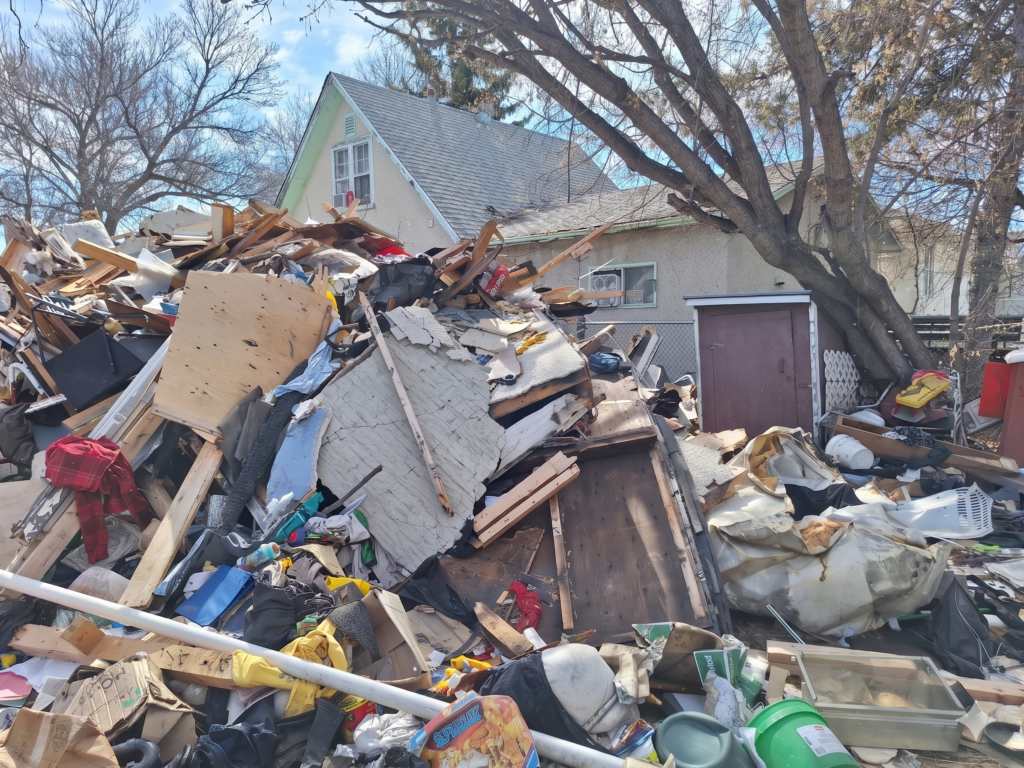
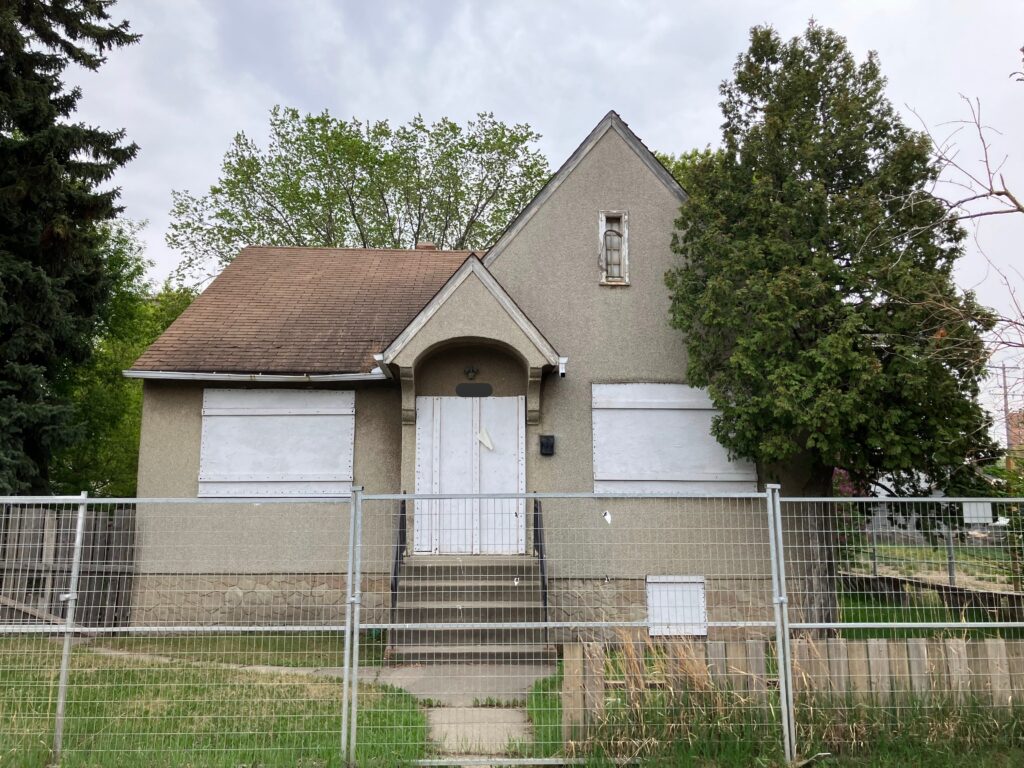
Between January 2023 and December 2025, the initiative coordinated the cleanup of 512 properties and demolition of 12 unsafe vacant buildings, removing 1,075 tonnes of debris and hazardous waste from Edmonton neighbourhoods. Additionally, securing 639 vacant properties eliminated a fire risk to their surrounding communities.
“Sometimes a problem property becomes like a beehive of the negative things you don’t want to experience on a block,” says Christy Morin, Executive Director of Arts on the Ave and a longtime community advocate. “You start to see crime of all different types around it; drug activity, stolen vehicles, break-ins, and it impacts the whole neighbourhood.”
Morin has lived and worked in the Alberta Avenue area for decades and says the toll these properties can take on residents’ quality of life is immense.
“When a problem property lands on your block, it can stop your whole quality of life,” she says. “People are afraid. They stop using their backyards. They feel like they’re constantly watching what’s happening next door.”
For many community members, these experiences were the driving force behind calls for stronger action.
Community voices helped spark change
The City of Edmonton’s Problem Property Initiative launched in January 2023, following years of advocacy by residents and community organizations pushing for new tools to address properties that were unsafe, neglected or repeatedly generating complaints.
Morin says community groups spent a long time researching solutions and raising concerns with governments.
“We looked at other cities to see how they deal with negligent property owners,” she says. “People across Edmonton were bringing these concerns forward.”
Community advocates even pushed for changes at the provincial level to allow municipalities to introduce stronger taxation tools targeting derelict properties.
Today, those tools are part of Edmonton’s approach to addressing such buildings.
A coordinated City response
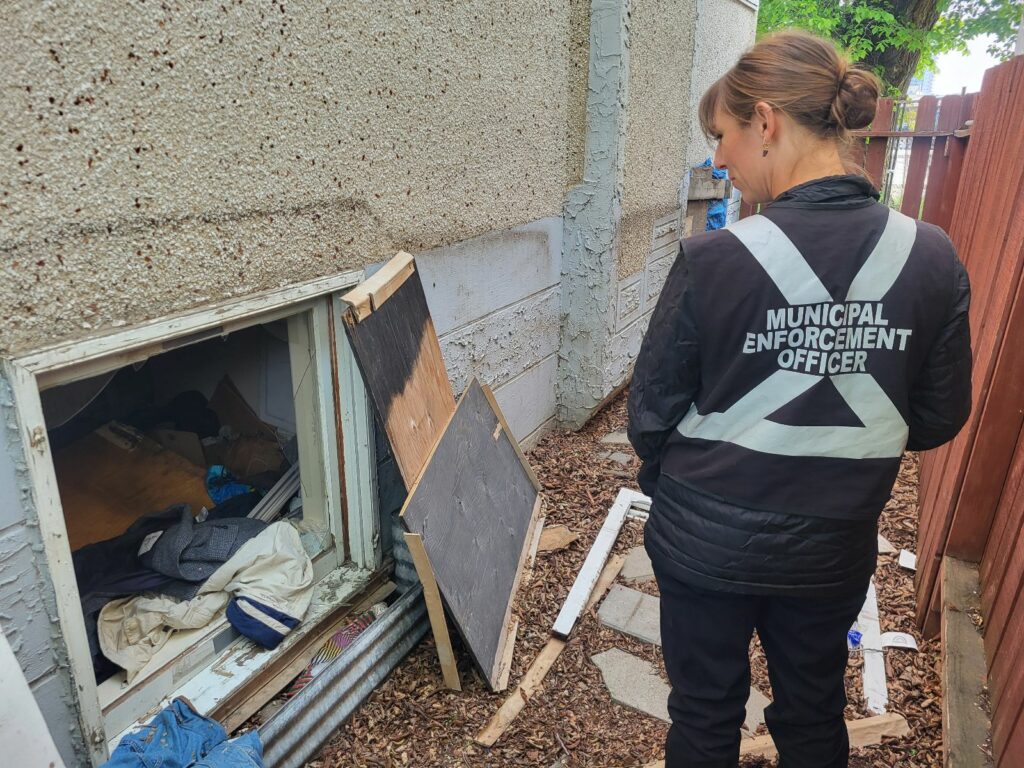
The Problem Property Initiative brings together multiple teams focused on different aspects of the issue, from inspections and enforcement to ordering property remediations and demolitions.
Trena MacGillivray, Problem Properties Program Coordinator, oversees the initiative’s implementation.
“The City’s strategy to address problem properties was launched to help restore a sense of safety to neighbourhoods negatively impacted by these properties,” she says. “It’s great to see how far the PPI has come in cleaning up neglected properties, securing or demolishing unsafe buildings, upholding housing standards and connecting vulnerable tenants to resources.”
Over the past three years, PPI teams have conducted over 22,000 inspections across more than 2,000 unique properties.
“It’s been a very busy time for everyone involved,” says MacGillivray. “While maintaining our work citywide, we’ve expanded our proactive focus on neighbourhoods with high numbers of neglected properties. We’re taking increasingly bold enforcement actions to address non-compliant properties with hazardous conditions, and we’re accelerating the demolition of unsafe vacant buildings, which is contributing to the redevelopment of under-used land, particularly in mature neighbourhoods.”
The initiative also introduced a Derelict Residential Tax Subclass, allowing the City to significantly increase taxes on vacant and deteriorating residential properties.
Together, these measures are designed to make it increasingly costly for property owners to neglect their buildings.
Restoring safety and hope in our neighbourhoods
For Anna Bubel, a long-time resident of McCauley and principal of the Edmonton-based community economic development firm Another Way, the issue of problem properties is personal.
Bubel lived next to a problem property for years and experienced first-hand how disruptive and stressful the situation can become.
“It was awful,” she says. “There were safety concerns, hoarding, animals, health inspections, the kind of situations that affect the entire block.”
But Bubel also says one of the most meaningful changes she’s seen through the initiative is responsiveness.
“As residents, sometimes it feels like you’re screaming into the void,” she says. “When someone calls you back, when you see action happening and that feedback loop closing, it’s powerful.”
The City encourages residents to report problem properties so teams are aware and can investigate and take action if needed. Edmontonians should contact 311 with concerns or use the confidential reporting form at edmonton.ca/ProblemProperties. To report an unsecured vacant property, Edmontonians can contact 311 or email communitypropertysafetyteam@edmonton.ca.
Addressing challenges caused by problem properties, Bubel says, can unlock the full potential of communities that already have deep roots and strong connections.
“McCauley is a phenomenal neighbourhood. People care and look out for each other. We have incredible access to downtown, the river valley and vibrant businesses. Unfortunately, we face challenges that are made worse by people who don’t take responsibility for their properties.”
Working together with communities
While enforcement is an important part of the initiative, community collaboration remains central to the team’s work.
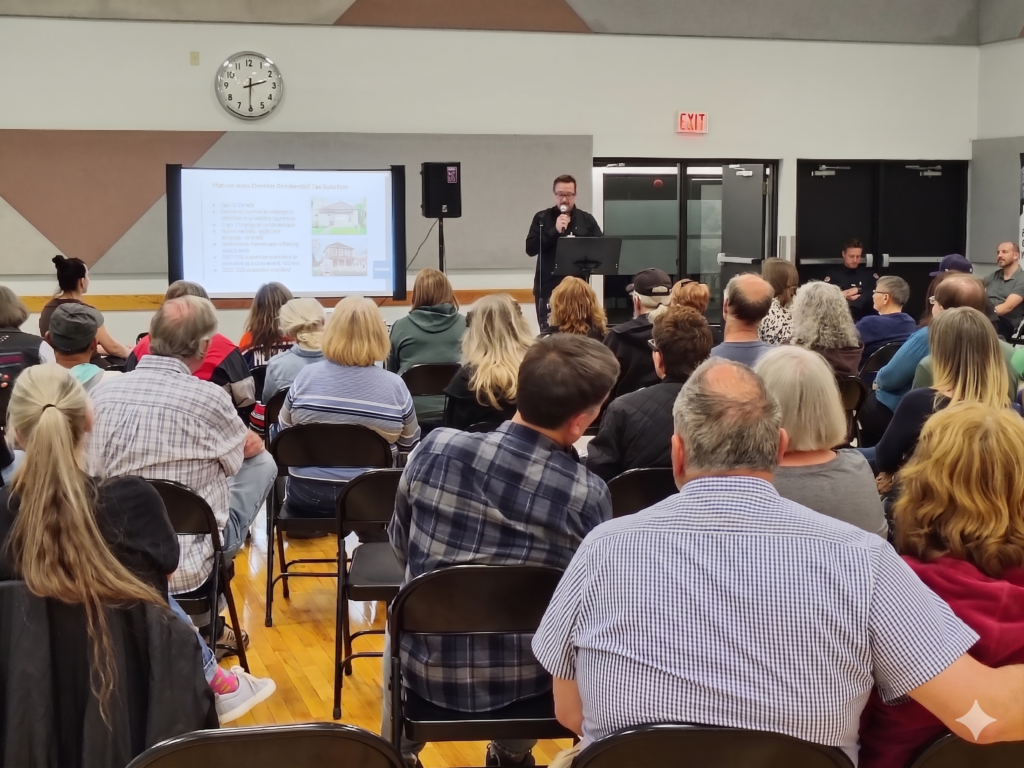
Over the past three years, PPI teams have attended more than 100 meetings with community members and organizations and engaged directly with more than 11,000 Edmontonians.
For Morin, that ongoing relationship-building in Alberta Avenue is critical.
“We host summertime walks through back alleys with the Problem Properties Team. Those are some of the most attended events because people want to know how to deal with these issues in their neighbourhoods. We’ve even had people come from outside the community to learn how to address problems they’re experiencing in their own areas. It’s important to have those opportunities with people from the City to address concerns and understand what the solutions could be.”
Morin says the initiative has also helped restore a sense of fairness for neighbourhoods that historically felt overlooked.
“For a long time, people felt like areas like Alberta Avenue weren’t getting the same attention as other parts of the city,” Morin says. “This initiative has given communities hope that things can change and that these neighbourhoods matter.”
Looking ahead
While progress has been made, the work is far from finished. The PPI continues to push forward and expand its work across the city, and develop more creative ways to effect change.
“Edmontonians have made it very clear that they wanted stronger enforcement of problem properties,” MacGillivray says. “The City consulted with interested parties to create a strategy, and now we have four different teams all working to address problem properties from different angles, as well as a tax subclass that allows the City to triple the tax rate at derelict residential properties.”
When it comes to this work, Bubel believes continued momentum will be key.
“Don’t take your foot off the gas,” says the McCauley resident. “Press the pedal down and keep going.”
To learn more about the Problem Property Initiative, visit edmonton.ca/ProblemProperties.
Editor’s note: the pics at the top of the page show the transformation of a West Jasper Place lot remediated by the property owner following enforcement initiatives through the Problem Property Initiative.