

As an Arctic Ambassador Centre, the Edmonton Valley Zoo works with Polar Bears International to help educate Edmontonians about the effects of a warming climate on northern biodiversity.
Fall is a special time of year to highlight such climate impacts on polar bears because that’s when they gather on the shores of Hudson Bay to wait for the sea ice to return, so they can hunt their seal prey. However, with the Arctic warming at a rate four times faster than the rest of the planet, the ice-free summer period is now three-to-four weeks longer than it was in the 1980s, straining the limits of the bears’ fat reserves and making it difficult for survival.
Similar to the Arctic, with Edmonton’s more northern position, historical climate records indicate that Edmonton is also warming at a faster rate than the global average. In the absence of climate action, research predicts that Edmonton’s annual average temperature of 2.1 C will increase to 5.5 C by the 2050s and to approximately 8 C by the 2080s.
This leads us to ask, how will this impact Edmonton’s wildlife and is there anything that we can do to help here at home?
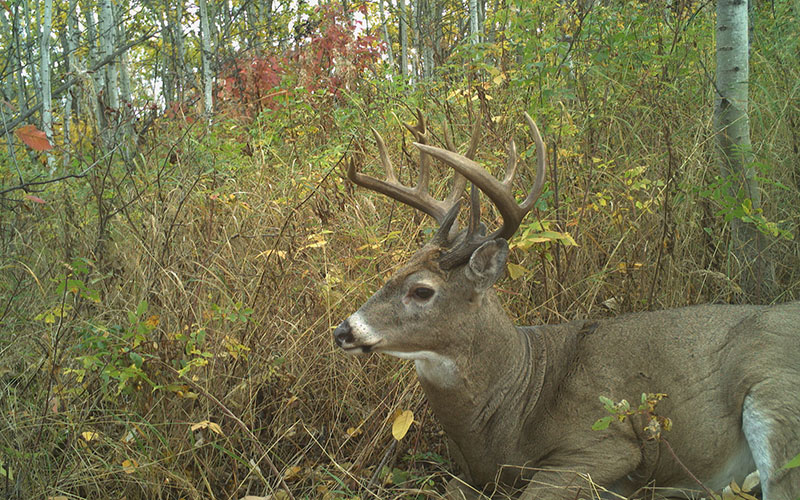
A recent study using data from the City of Edmonton’s WildEdmonton project gives a window into a potential solution. Published in Nature & Ecology (July 2023), the findings suggest that while climate change can make it more challenging for wildlife in urban areas, these effects are lower in more vegetated cities. Therefore, to help local wildlife deal with the stress of climate change, keep and make more green space!
As the climate warms, we need to remember that the heat from our cities is something that is going to continue to be a challenge for both ourselves and wildlife. Here are a few things that you can do to help green our city while also helping our local wildlife:
• Support City and backyard greening initiatives: Protect local natural areas and encourage restoration of disturbed areas using native plants. Using nature-based solutions, we can continue to Green as We Grow as prioritized in The City Plan.
• Continue to support and implement Change for Climate initiatives:
Support an energy shift.
Get involved in community projects that reduce or replace fossil fuels with clean energy sources like solar and wind.
Help build better. Check out programs available to increase energy efficiency in Edmonton homes and businesses.
Promote clean transportation. Learn the many ways to get around in an environmentally friendly way.
• Talk about climate change and solutions: Share these with your friends and family.
Climate change is playing an increasingly important role in the decline of biodiversity around the world. It is altering marine, terrestrial and freshwater ecosystems and has the potential to cause climate-driven loss of local species even here at home. However, there is hope because we are all part of the solution. Thank you for doing your part as a member of this Change for Climate community.
Editor’s note: the pic at the top of the post shows a polar bear looking out at the water. Photo credit: Kt Miller/Polar Bears International.