

It’s been a long hot summer, but Joshua Culling remains perfectly cool.
Three years ago, Culling and his family moved to a townhouse in Blatchford, the growing sustainable community nestled between Edmonton’s NAIT campus and Kingsway Avenue.
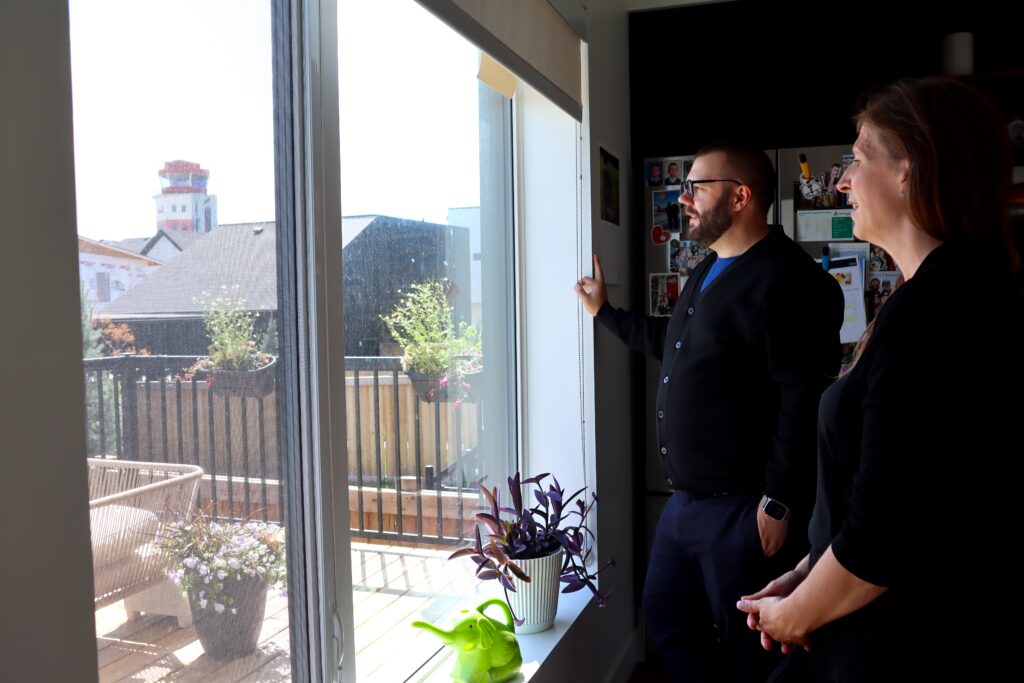
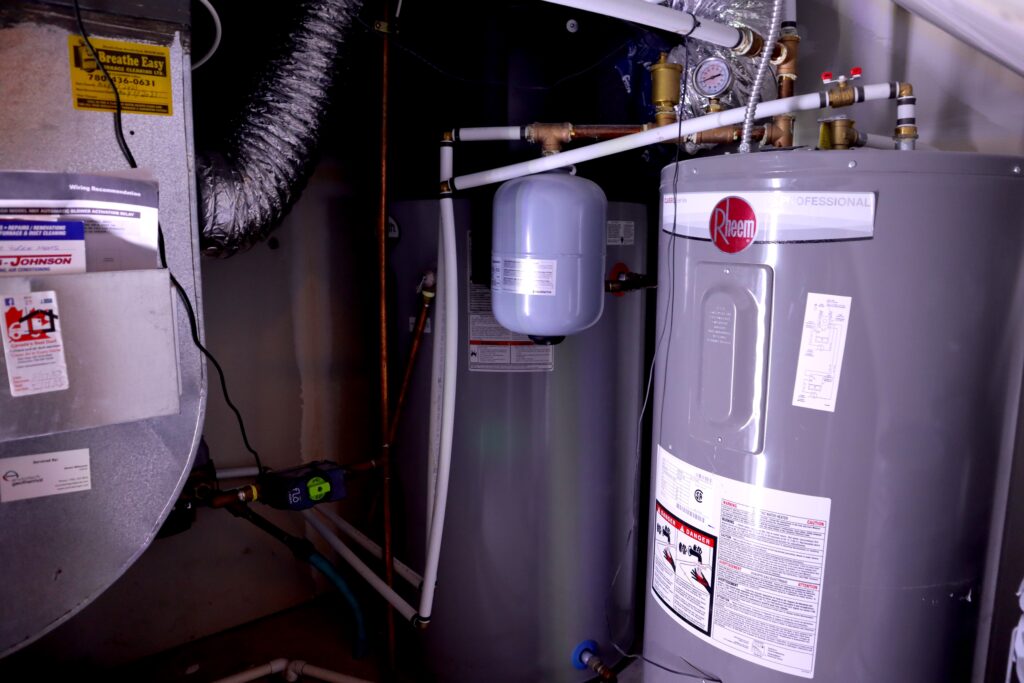
Like his neighbours, Culling’s home was built to handle Edmonton’s temperature fluctuations. Double-studded walls. High efficiency windows. Twenty-three solar panels. A heat pump that taps into Blatchford’s high-efficiency district energy sharing system for renewable cooling and heating, technology which Culling admits feels “a bit like magic.”
The experience has reinforced Culling’s belief about sustainability: put the right pieces into place and you won’t need to worry. Your daily habits won’t really need to change.
“We’re living in the future, but it feels really normal,” said Culling. “In a sense, it’s anticlimactic.”
Edmonton on the cusp of significant growth
Edmonton’s population is projected to grow by another 110,000 people by 2026, a mix of natural growth and migration from domestic and international sources. Many new Edmontonians will be drawn by economic opportunities and its housing affordability relative to other Canadian cities.
That growth is poised to transform Edmonton. How seamlessly it happens will depend on planning and investments, or putting things in the right place on a city-wide scale.
“Edmonton is growing, and growing incredibly quickly,” said Anne Stevenson, councillor for Ward O’Daymin. “We need all the solutions on the table to build the housing Edmontonians need.”
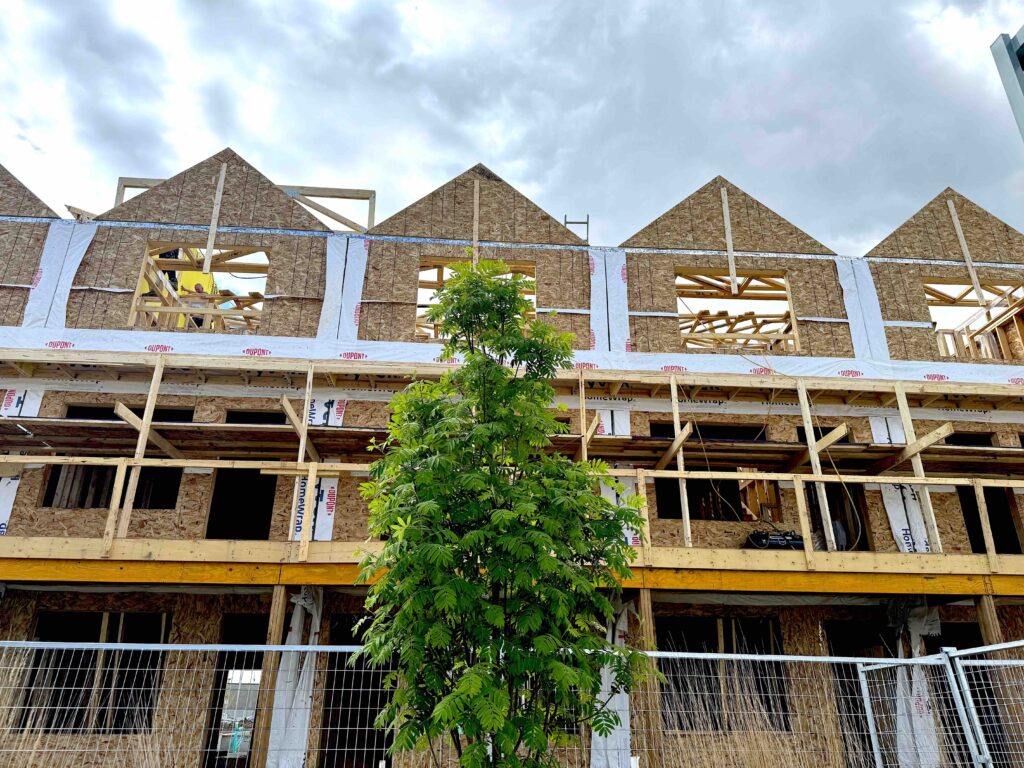
Stevenson sees an opportunity in central neighbourhoods. After decades of population stagnation or decline, Edmonton’s mature neighbourhoods are seeing an influx of garden suites, townhomes, multi-family homes and mixed-use towers.
It’s harder to build up than it is to build out. Infill presents more infrastructure hurdles than growth on the city’s margins. That’s why Stevenson is excited about the Housing Accelerator Fund, a three-year $175-million federal investment that will help the City support infrastructure to kickstart housing types at a pace that wouldn’t happen if left to market forces alone.
The potential is tantalizing. More multi-family options near established parks and schools. More non-market affordable housing to reduce the strain experienced by newcomers, single-parent families, seniors and people with limited mobility. And by prioritizing growth along major corridors, transit ridership can continue to grow, supporting investments from all levels of government.
Stevenson believes there are multiple upsides for Edmontonians, regardless of where they live. Economic investments and associated spinoffs. More housing supply to keep costs within reach. Lower per capita service costs, which strengthen the City’s ability to provide essential services throughout Edmonton. An influx of new residents to bolster school attendance, support local restaurants and coffee shops.
“Investments like this—from other orders of government–are absolutely critical for us to be a financially and environmentally sustainable city,” said Stevenson.
Welcoming more neighbours
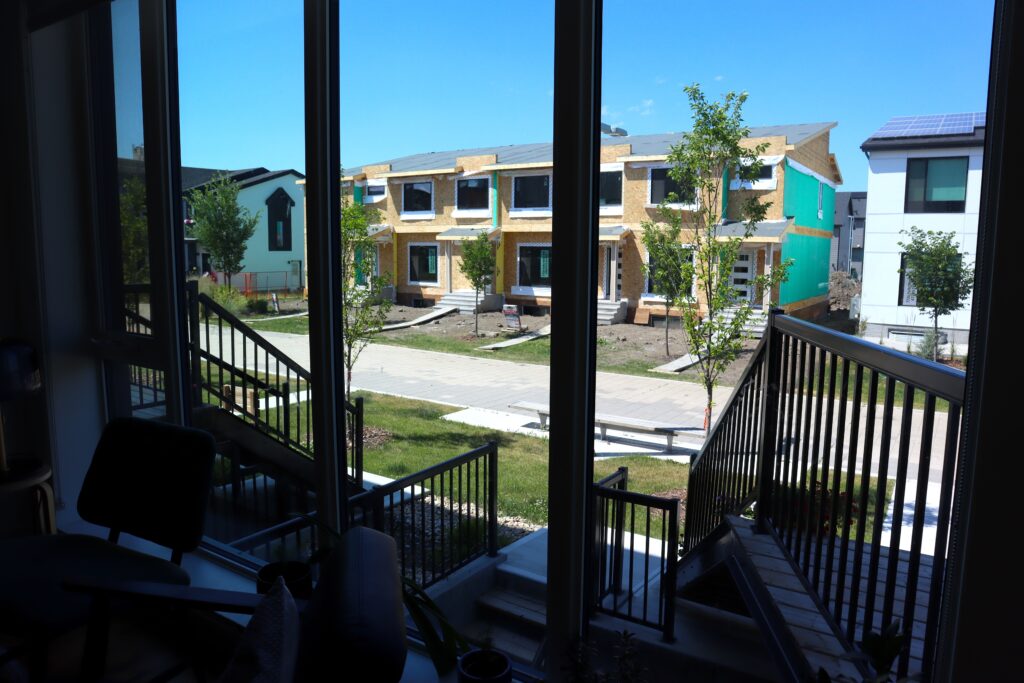
Outside his front window, Culling has watched the slow but steady thrum of construction over the past three years. As new rows of townhouses pop up, construction equipment moves further out of vision.
Underneath the streets, the district energy sharing system that connects to his home branches out throughout Blatchford. This week, the federal government announced a $23.7-million investment to increase the system’s capacity to generate and deliver renewable energy to the community as it grows. Because connecting multi-unit housing developments to district energy is a larger undertaking, one of the future initiatives through the City’s Housing Accelerator Fund action plan will provide rebates to help offset the costs of necessary infrastructure.
All of this growth means change, but the kind of change that inspired Culling and his family to move here in the first place.
“There will be more people, which will give it a different feel,” said Culling. ”That local coffee shop, those quirky places, that yoga studio you might want to go to. They all need people.”
Culling currently takes the train to his job at the University of Alberta’s Enterprise Square campus. When he comes home, he’s got restaurants, a grocery store, a pharmacy and a neighbourhood pub within walking distance. Added density will only add to the amenities throughout the Kingsway area.
“It’s visionary, but pragmatic as well,” said Culling. “From a resident’s standpoint, it’s an amazing place to live. As a citizen of Edmonton, it’s a very pragmatic use of land.”
Editor’s note: the pic at the top shows a park in Blatchford, July 2024.