

We all know Goodwill as Alberta’s nonprofit organization that offers unique items at affordable prices. But did you know it is also a pioneer and leader in sustainability and social justice?
From recycling unsellable items to offering work experience to people from equity-denied groups, the manager of the Goodwill@Work in Edmonton, Lukas Adomonis, speaks proudly of all the meaningful initiatives Goodwill has to offer.
One of those programs is Repair for Good, the winner of the 2024 Alberta Emerald Award for Waste Management.
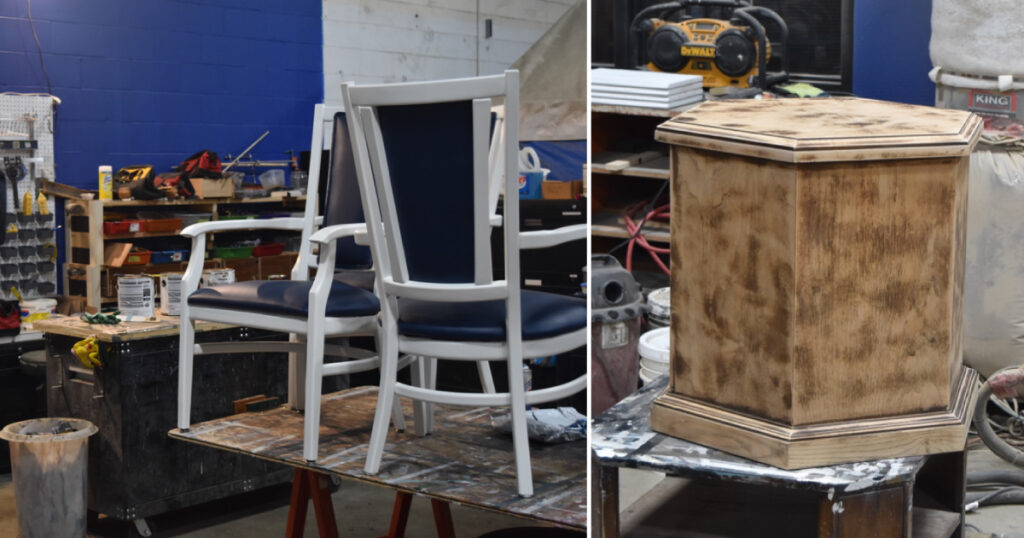
“The program started about six years ago when we identified through waste audits that broken furniture was one of the top categories going to the landfill,” said Adomonis. “No one wants to buy it, there wasn’t really any way to recycle it, and they’re very hard to handle and deal with. So we thought, why don’t we start an internal furniture refurbishment program?”
As the name suggests, Repair for Good is all about repairing, refurbishing or repurposing outdated, unwanted furniture into something modern, sellable and artistic. The program is largely run by volunteers with disabilities who come to Goodwill seeking apprenticeships to help them integrate into the workforce.
“These pieces can then go to the retail stores for sale,” said Adomonis, showing off some of Repair for Good’s latest work, such as refinished chairs and side tables, during a recent tour of the program’s factory. “Without the program, they would probably end up in the landfill.”
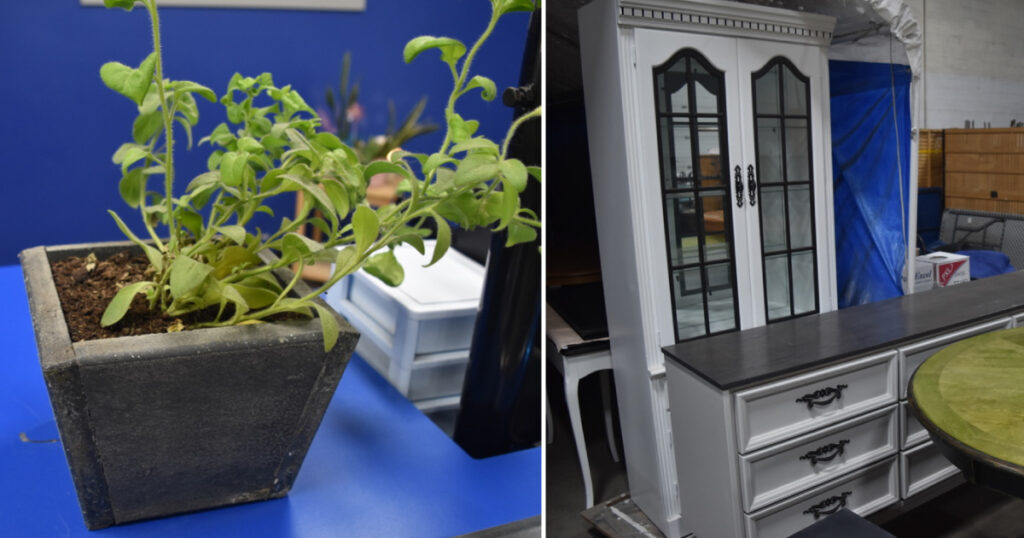
During our tour, we were also greeted by Lorin Hudson and his team of enthusiastic, hard-working volunteers. Hudson is the lead furniture refurbishment trainer for the program, with over 30 years of experience in construction-related industries. He is now the creative mind behind all the refurbished pieces and a great mentor to the volunteers working in the program.
“We teach them carpentry, painting, sanding, but also a lot of soft skills so they can use those skills to obtain paid employment here at Goodwill or elsewhere,” Hudson said. “Sometimes they just need a little more patience in a safe and inclusive environment.”
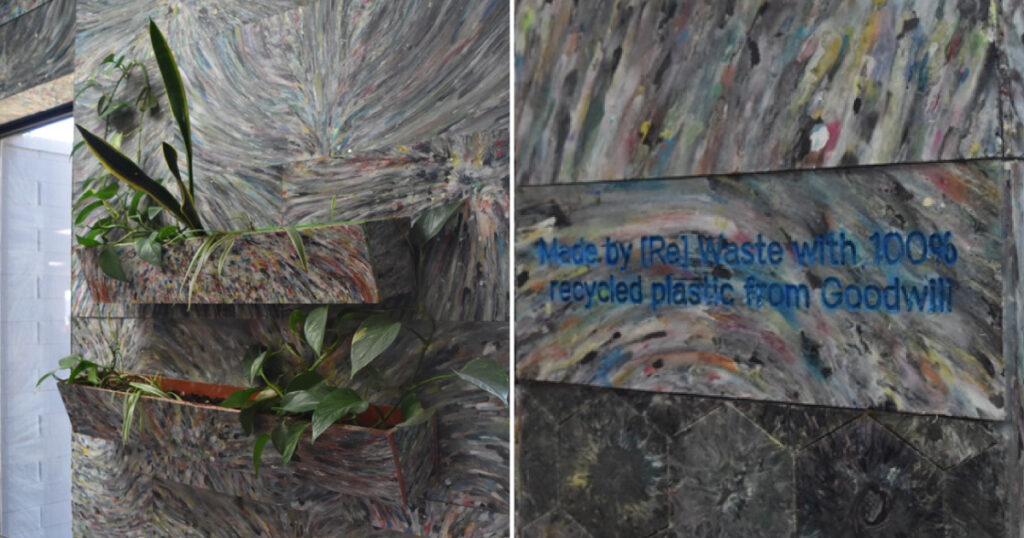
As we watched some of the volunteers doing the refurbishment right in front of our eyes, it was clear they were enjoying their time in this welcoming environment under Hudson’s mentorship.
For Hudson, the highlight of Repair for Good is the program’s contract with seniors’ homes, where volunteers fix the old, broken chairs at a price that is much cheaper than buying new ones.
“Watching [the volunteers’] faces when they finish a piece, then being told it’s sold, is the biggest satisfaction,” said Hudson.
Repair for Good, along with Goodwill’s other initiatives, plays a crucial role in upcycling or recycling 90 per cent of the materials that would otherwise end up in landfills. By transforming forgotten and broken furniture into beautiful, functional pieces, the program not only reduces waste but also empowers individuals from equity-denied groups by providing valuable skills and work experience.
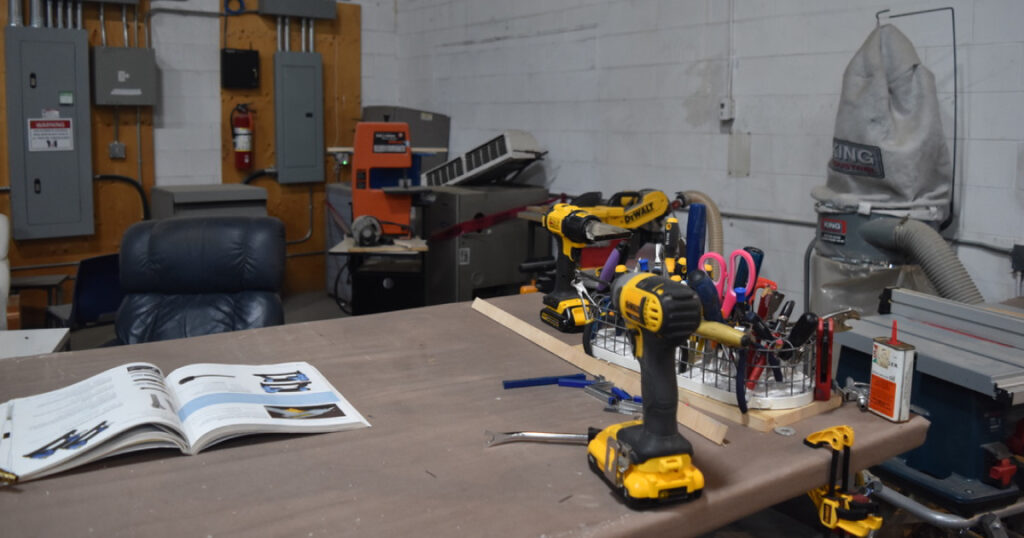
Repair for Good is poised to make an even greater impact in the future with plans to expand its reach through an e-commerce platform and other avenuesThe public can contribute by spreading awareness of these initiatives, ensuring that more people support and benefit from this remarkable program.
As Repair for Good continues to grow and evolve, it’s clear that the program is not just about recycling furniture—it’s about giving people and materials a second chance at life. The impact of this initiative, from supporting volunteers to creating sustainable solutions, is truly inspiring.
Congratulations to the Repair for Good for their well-deserved Emerald Award. Here’s to the never ending journey of making a difference, one refurbished piece at a time.
Editor’s note: The picture at the top of the post shows the Repair for Good workshop.