

Renewable is a series about visionaries, creators, community leaders and above all else, Edmontonians, each with a unique vision of a sustainable future in the heart of Canada’s fossil fuel industry.
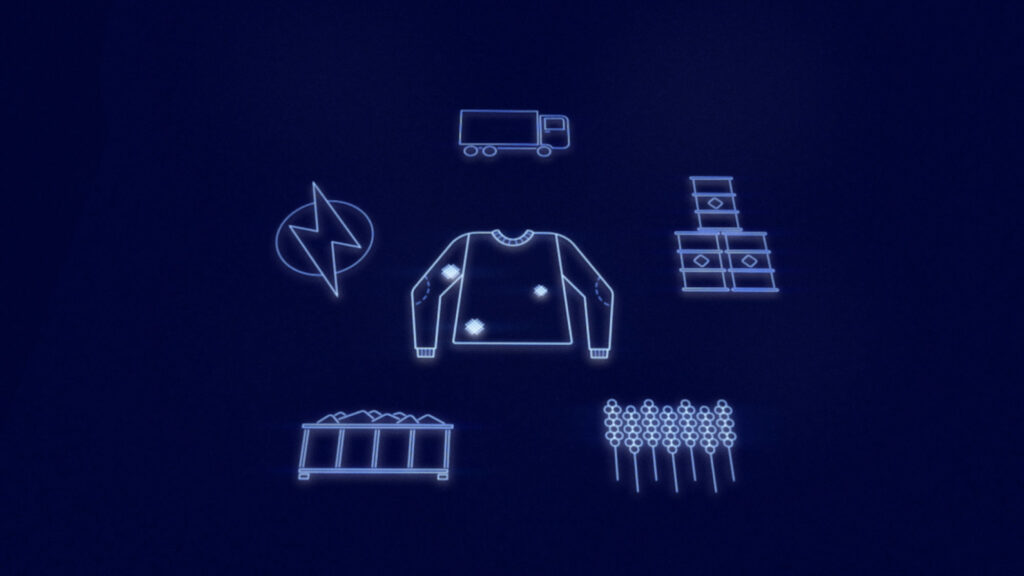
There is a whole slew of startling statistics associated with the global fashion industry. Fashion is responsible for 8 per cent of global greenhouse gas emissions. Its climate impact is set to increase by half over the next decade. It has a carbon footprint nearly the same size as the European Union. Together, these facts constitute a compelling argument in favour of both buying less and repairing more of what we already own.
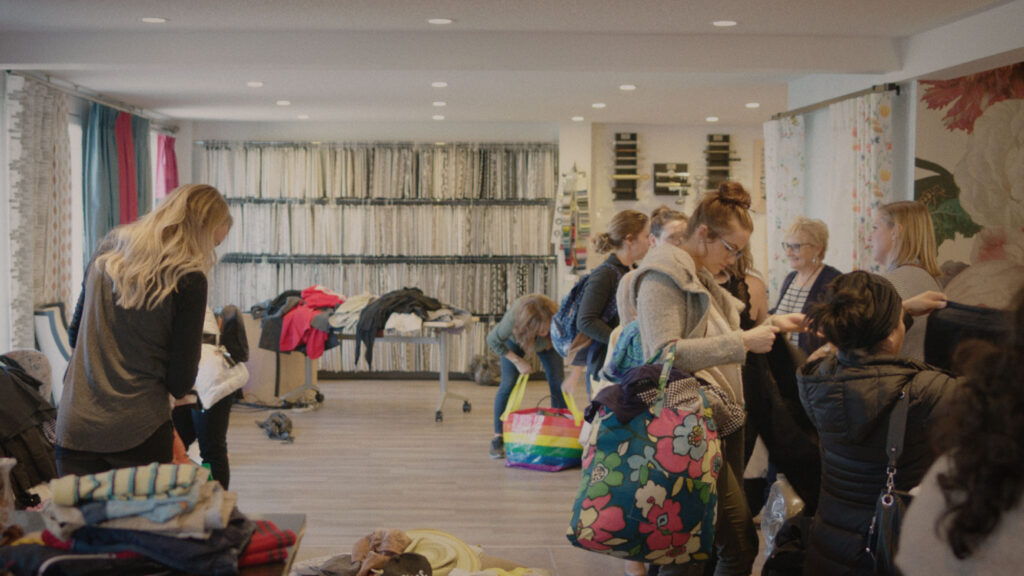
Kate Spencer made many of those arguments during our conversation in this episode of Renewable. Kate organizes an event called Repairathon, which brings together people with clothing in need of fixing with people who know how to fix clothes. She’s a wealth of knowledge when it comes to clothing systems, their impacts and how to mitigate them.
At the heart of that project is the basic idea of repair as a tool for carbon reduction. And while we focus almost exclusively on clothing, this idea extends to just about everything we own.
So what else can we be fixing?
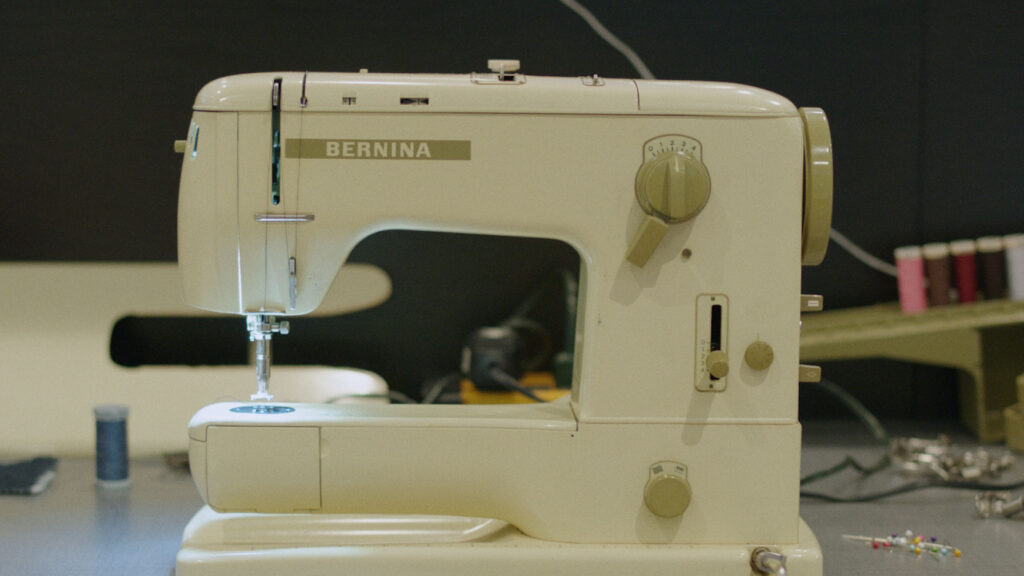
According to a 2016 report, emissions from the electrical and electronic equipment sector in Europe “could be divided by two if minimal efforts were made” to improve reuse—which is a roundabout way of saying that we can and should be fixing our gadgets.
The prospect of repairing a smartphone may seem considerably more daunting than patching up an old cardigan, but simple repairs like replacing an old battery in a phone, or clearing out dust clogging up the cooling fan in a laptop, can add years to an old piece of consumer electronics. iFixit is a fantastic resource for electronic repairs, and they often sell the parts you need directly on the site. The impact of repairing old electronics could be considerable, amounting to tens of millions of tons fewer emissions per year globally.
This extends beyond gadgets with annual upgrade cycles and applies similarly to the less glamorous kinds of things you might find in your kitchen—parts for old bread makers, blenders and toasters are easily available online, and the repairs are often simpler as well. YouTube is a deep well of instruction for these kinds of products.
And closer to clothing we’ve got shoes, an industry which churns out 20 billion fresh pairs each year. Beyond the lifecycle extending benefits of basic upkeep and maintenance (waxing, oiling, et cetera) that you can do at home, all across Edmonton there are cobblers and leather specialists who can breathe new life into old shoes, keeping kicks out of the landfill. It’s not a home repair, but it’s a minor cost (kept in the local economy) that avoids an unnecessary purchase.
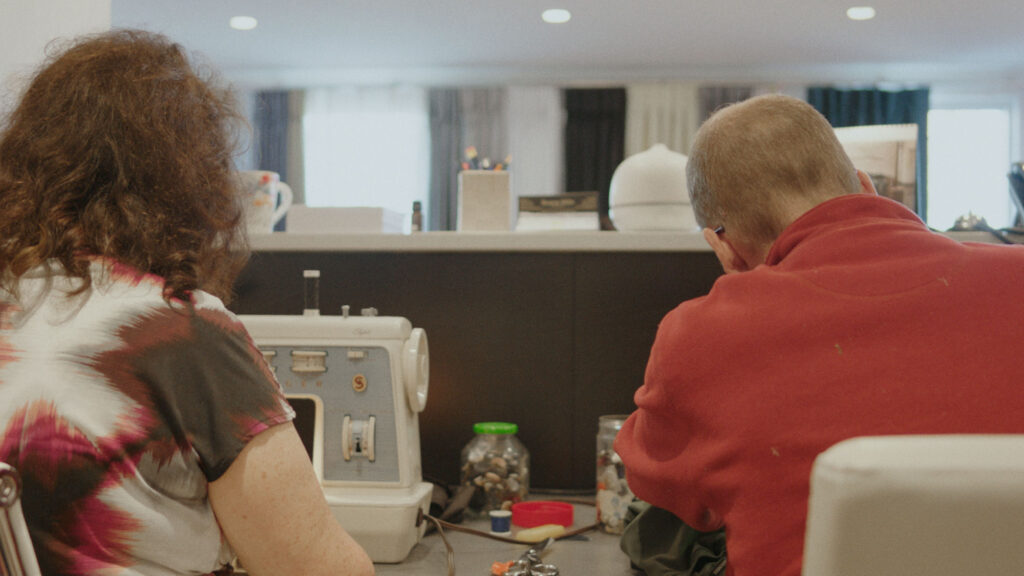
“Repairing and mending are things that your grandparents or parents might have taught you, but it’s kind of skipped a generation,” Kate told us during our conversation. But when you can fix what you already own, you can start to question whether or not you really need the thing you just put in your online shopping cart.
That one choice can have a pretty substantial impact on your emissions.
To learn more about Repairathon, read Kate’s blog post and check out the latest episode of Renewable.
Editor’s note: the pic at the top of the post shows Kate Spencer at Repairathon.
The Renewable Series Team is composed of the City of Edmonton’s Energy Transition group and the creative minds at Sticks & Stones.
For more information, visit edmonton.ca/RenewableSeries.