

Renewable is a series about visionaries, creators, community leaders and above all else, Edmontonians, each with a unique vision of a sustainable future in the heart of Canada’s fossil fuel industry.
How does buying a bunch of cars get a bunch of cars off the road? This is the puzzle of car sharing, a model of car rental meant for people who want convenient and occasional access to a vehicle without the economic and environmental cost of owning one.
As Kieran Ryan, founder of Pogo Carshare (now called Communauto Alberta), explained to us in this episode, their goal wasn’t necessarily to have people abandoning their vehicles for car sharing. Their goal in bringing car sharing to Edmonton was to provide a supplement to active and public transit that could make the need for cars, or at least for a household’s second car, less pressing.
In this episode of Renewable, we discussed Kieran’s vision as a founder. We take a bird’s-eye view of how car sharing can change neighbourhoods, reduce greenhouse gas (GHG) emissions and support a car-free lifestyle alternative for those that don’t want or can’t own a car.

And while the video touches on the math of how car sharing versus car owning works out, we decided to dig into the numbers and studies Kieran mentioned to write this blog post. Those numbers, born out of research in markets with more mature and established car sharing networks, tell an interesting story and can provide a hint about the future of car sharing in Edmonton.
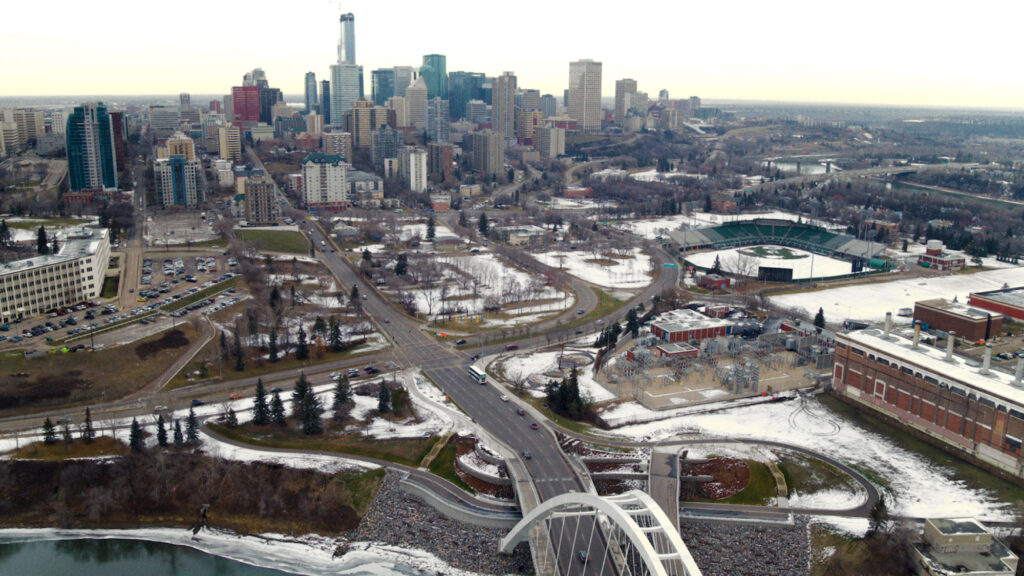
In an analysis of car sharing programs across five cities, a UC Berkeley study showed a significant relationship between the number of available shared vehicles and the number of vehicles sold by members of that network.
Across the five cities that took part, the study found that members of the network sold between one to three vehicles for every car share vehicle available, 74 per cent of which were more than 10 years old—a significant reduction in vehicles with outdated emissions systems.
And if we want to dig into those emission impacts even further, we find an average 10 per cent drop in GHG emissions across the population using the car sharing service. People using car sharing services were demonstrably buying fewer new vehicles, selling old vehicles they didn’t need and reducing their overall emissions.
And what about that opening question—how does buying a bunch of cars get a bunch of cars off the road? The studies showed that if you take vehicles sold, combined with new vehicles never purchased (based on historical trends), all in, each car sharing vehicle replaced between seven and 11 privately owned vehicles.
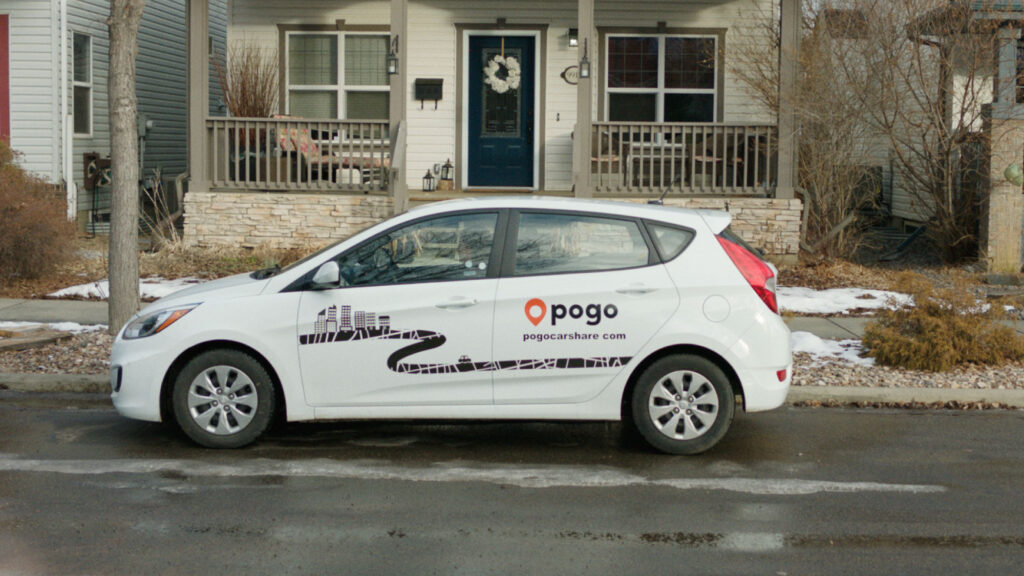
A car sharing service can’t be expected to replace car ownership or public transit, nor is this Kieran’s goal. Kieran says he “talks to people all the time who want to live centrally, they want to walk, they want to take public transit—but it’s just not feasible.”
But as the numbers and Kieran’s interview shows, having a transportation solution that meets people where they are, that allows them to get around using a combination of services, can have a meaningful impact on how sustainable cities operate. “We’re allowing people to do something they already want to do—not own a car, or own fewer cars in their household.”
To learn more about Kieran’s vision, car sharing and the future of how we get around, check out this episode of Renewable.
Editor’s note: the pic at the top of the posts shows Kieran Ryan during an interview.
The Renewable Series Team is composed of the City of Edmonton’s Energy Transition group and the creative minds at Sticks & Stones.
For more information, visit edmonton.ca/RenewableSeries.